EN RO


#Exhibit of the Month

>>>

Christmas bells entered the Romanian cultural space through a long process in which archaic traditions blended with Christian belief and European influences. Long before the holiday of Christmas developed as we know it, metallic sounds played an important ritual role in old communities: they were used to drive away evil spirits, to purify spaces, and to protect people during transitional moments at the turn of the year. These beliefs have been preserved in winter customs such as caroling, the Plugușor, and masked dances, where bells and jingles were indispensable.
With the spread of Christianity, the sound of the bell also acquired a profound religious meaning, becoming an announcer of major feasts and a symbol of the Nativity. Small bells, however, were not originally used as decorations but primarily as functional or ritual objects.
The first decorated Christmas tree in the Romanian lands was the one at the palace of Prince Carol I of Hohenzollern, following his arrival in the Romanian Principalities in 1866. From that moment the tradition took root, and on Christmas Eve princes and princesses invited to the palace would take part in decorating the tree. Among the ornaments used were small metal bells, symbolizing joy, the good news, and divine protection for the home.
In the twentieth century, Christmas bells spread across all Romanian provinces and became a visual emblem of the holiday, appearing in both decorations and carols. Even during periods when religious expression was curtailed, bells remained in people's homes as signs of joy and the continuity of tradition. Today they retain this dual meaning: the echo of ancient beliefs and, at the same time, the announcement of the Birth of Christ - a symbol of hope, light, and the link between past and present.
These tinkling pieces are part of a generous heritage collection at the National Museum of History of Moldova (NMHM), which includes more than 200 cultural items. A substantial contribution to the museum's collection of decorative bells was made by Dorina Raischi, a teacher at School No. 94 in Chișinău, who donated 174 bells, of which around 30 are winter-themed. Made of ceramic, porcelain, glass, and metal, they were brought from different parts of the world and together offer a succinct picture of the global culture of bells. They add a festive note to the home and even to a gift, and it is hard to imagine Christmas without their cheerful tinkling.

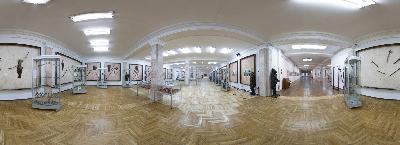
Virtual Tour


Museum education

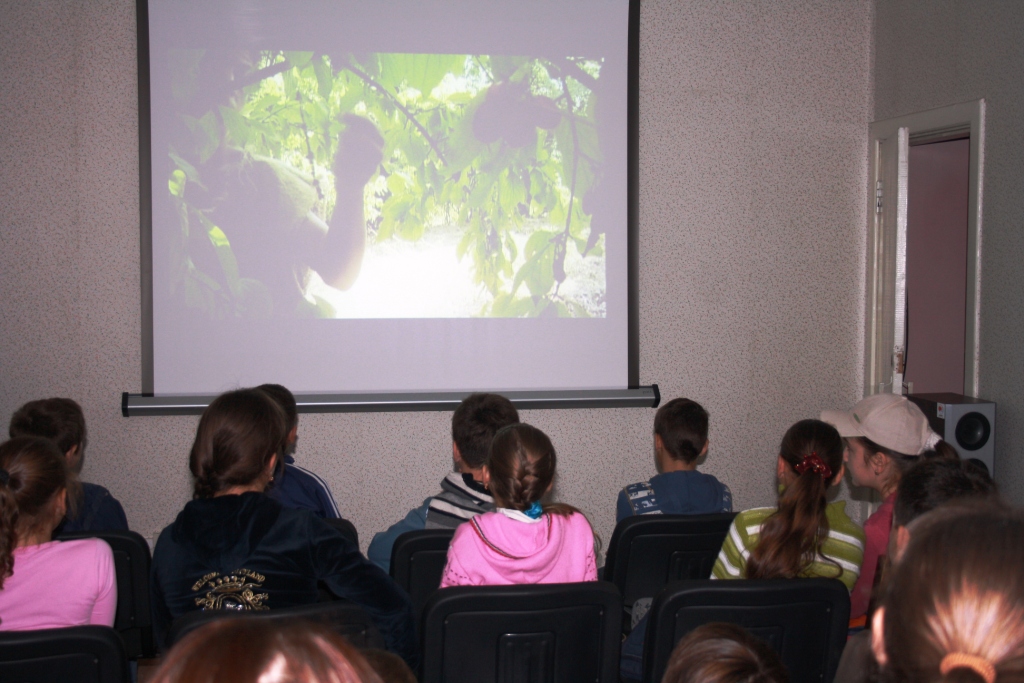
The "Movie at the Museum" Project

Is a weekly cinema program for all audiences. The project promotes historical and documentary films as a means of historical and intercultural knowledge. The CLIO museum cinema provides weekly historic and documentary film screenings as well as thematic programs (debates, comments, meetings with filmmakers and historians).

The museum's cinema archive includes more than 40 films:

Reconstitution films

1. Gumelnița. Bucșani (reconstructs the evolution of human society starting with prehistory) - 45 min.
2. Magia Cucuteni - The Magic of Cucuteni (reconstructs the great eneolithic civilization from South-Eastern Europe, Cucuteni civilization-TRIPOLI, mil V-IV BC.) - 25 min.
3. Cultura Cucuteni Tripolie - The Cucuteni Tripoli Culture (presents the Cucuteni ceramics - an exceptional heritage left by the eneolithic civizilation of sedentary farmers) - 20 min.

Documentaries

Empires

4. Bizanț - Imperiu pierdut - "Byzantium - a Lost Empire" (in English, with subtitles in Romanian) - 47 min

Rulers

5. Voievodul. Măria sa Ştefan cel Mare și Sfânt - "The Prince. His majesty Stephen the Great" - 26 min.
6. Constantin Brâncoveanu - Constantin Brancoveanu - 27 min.
7. Mihai Viteazul, dimensiunea europeană a unui erou - "Michael the Brave, the European dimension of a hero" - 29 min.

Monasteries

8.    Mănăstirea Putna - The Putna Monastery - 50 min.
9.    Mănăstirea Neamț- The Neamt Monastery - 25 min.
10.  Destinația Moldova. Mănăstirea Căpriana, Mănăstirea Hâncu - "Destination Moldova. The Capriana Monastery. The Hancu Monastery"- 15 min.

Old Cities

11.  Orheiul Vechi - Old Orhei- 29 min.

Revolutions and Wars

12. Arme cu tărie, suflet românesc - Hard Weapons, Romanian Soul (military aspects of the 1848 Revolution) - 31 min.
13. For the defense of the country and its independence (The war of independence from 1877-1878) - 26 min.
14. Ballad for independence (The war of independence from 1877- 1878) - 8 min.
15. Filmele Independenței - Movies of the Independence (documentary testimonials of the 1877- 1878 Independence War) - 52 min.
16. Oșteanul de la 1877- The 1877 Soldier (The 1877-1878 Independence War) - 7 min.
17. Pe aici nu se trece! - You cannot pass here! (the beginning of the first world war) - 24 min.
18. Ordin de luptă împotriva uitării - War Order Against Forgetting(war veterans remember the fighting that took place in the heroic year of 1917) - 27 min.
19. Răstignirea României - Romania's Crucifixion (territorial loss suffered by Romania in 1940) - 28 min.
20. Omenie în vremuri de restriște - Humanity in times of distress (support of Polish refugees in Romania during World War II) - 26 min.
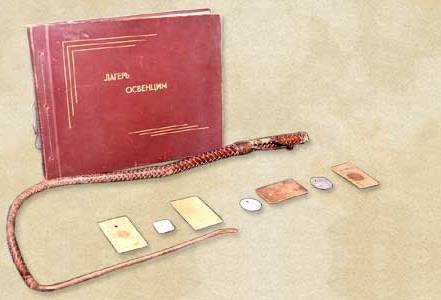
21. Lagărul - The Camp (concentration camps during The Second World War) - 26 min.

Great Union of 1918

22. Basarabia- Bessarabia (the national movement between the years 1917-1918) - 48 min.
23. Marea Unire - The Great Union (Alba Iulia, December 1, 1918) - 38 min.

Crimes of communism


24. Golgota Basarabiei - Calvary of Bessarabia (crimes of communism in Bessarabia) - 62 min.
25. The expeditions of memory - 59 min.
26. Memorialul durerii - The memorial of pain (communist crimes in Romania) - 15 min.

Flag History

27.  Tricolorul din inimi - The Flag of Hearts - 20 min.

Military glory
28. The echo of the military glory of the Romanian people in the writings of Mihai Eminescu - 6 min.
29. From a nation of braves - 8 min. 

Recent History
30. The poor from Prut - 50 min.

Cultural Heritage

31.  Cartea religioasă medievală. Din colecția Muzeului Național de Arheologie și Istorie a Moldovei - Medieval religious books. From the collection of the National Museum of Archaeology and History of Moldova - 30 min.
32.  Chișinăul de odinioară în imagini - Old Chisinau in pictures (19th century - begging of the 20th century, based on the postcards owned by the museum) - 30 min.
33.  Chișinău - o capitală europeană - "Chisinau - a European Capital" (promoting potential investment, tourism and culture of the city) - 20 min.
34.  Alexandru Plămădeală și Şcoala de Arte Frumoase din Basarabia - Alexandru Plamadeala and the School of Fine Arts in Bessarabia (end of the 19th century - the ‘40s of the 20th century) - 17 min.

General Knowledge

35.  Christopher Columbus. A Lost Journey (in Russian) - 47min.
36.  Vladimir Vîsoțkii and Marina Vladi (in Russian) - 51min
37.  Nefertiti, Queen of Egypt (in English, with subtitles in Romanian)- 01.20 min

Historical Films

38.  Burebista - 136 min.
39.  Columna- The Column (Dacians during Decebal) - 130 min.
40.  Ştefan cel Mare - Stephen the Great- 128 min.
41.  Christopher Columbus. History of geographical discoveries (in Russian) - 115 min.


Independent Moldova
Moldavian Soviet Socialist Republic
Bessarabia and MASSR between the Two World Wars
Bessarabia and Moldavian Autonomous Soviet Socialist Republic in the Period between the Two World Wars
Revival of National Movement
Time of Reforms and their Consequences
Abolition of Autonomy. Bessarabia – a New Tsarist Colony
Period of Relative Autonomy of Bessarabia within the Russian Empire
Phanariot Regime
Golden Age of the Romanian Culture
Struggle for Maintaining of Independence of Moldova
Formation of Independent Medieval State of Moldova
Era of the
Great Nomad Migrations
Early Middle Ages
Iron Age and Antiquity
Bronze Age
Aeneolithic Age
Neolithic Age
Palaeolithic Age


Come to Museum! Discover the History!
  
Visit museum
Visit museum
Summer schedule: daily
10am – 6pm.

Winter schedule: daily
10am – 5pm.
Closed on Mondays.
Entrance fees:  adults - 50 MDL, Pensioners, students - 20 lei, pupils - 10 MDL. Free access: enlisted men (...)

WiFi Free Wi-Fi Zone in the museum: In the courtyard of the National History Museum of Moldova there is Wi-Fi Internet access for visitors.


#Exhibit of the Month

Christmas bells entered the Romanian cultural space through a long process in which archaic traditions blended with Christian belief and European influences. Long before the holiday of Christmas developed as we know it, metallic sounds played an important ritual role in old communities: they were used to drive away evil spirits, to purify spaces, and to protect people during transitional moments at the turn of the year...

Read More >>


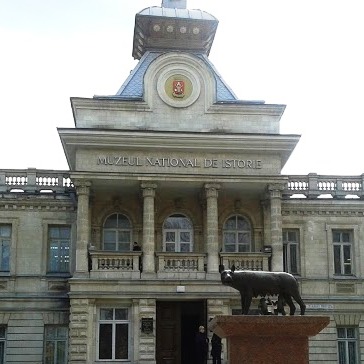
The National Museum of History of Moldova takes place among the most significant museum institutions of the Republic of Moldova, in terms of both its collection and scientific reputation.
©2006-2026 National Museum of History of Moldova
Visit museum 31 August 1989 St., 121 A, MD 2012, Chisinau, Republic of Moldova
Phones:
Secretariat: +373 (22) 24-43-25
Department of Public Relations and Museum Education: +373 (22) 24-04-26
Fax: +373 (22) 24-43-69
E-mail: office@nationalmuseum.md
Technical Support: info@nationalmuseum.md
Web site administration and maintenance: Andrei EMILCIUC


The National Museum of History of Moldova takes place among the most significant museum institutions of the Republic of Moldova, in terms of both its collection and scientific reputation.
©2006-2026 National Museum of History of Moldova
Visit museum 31 August 1989 St., 121 A, MD 2012, Chisinau, Republic of Moldova
Phones:
Secretariat: +373 (22) 24-43-25
Department of Public Relations and Museum Education: +373 (22) 24-04-26
Fax: +373 (22) 24-43-69
E-mail: office@nationalmuseum.md
Technical Support: info@nationalmuseum.md
Web site administration and maintenance: Andrei EMILCIUC

menu
The National Museum of History of Moldova takes place among the most significant museum institutions of the Republic of Moldova, in terms of both its collection and scientific reputation.
©2006-2026 National Museum of History of Moldova
Visit museum 31 August 1989 St., 121 A, MD 2012, Chisinau, Republic of Moldova
Phones:
Secretariat: +373 (22) 24-43-25
Department of Public Relations and Museum Education: +373 (22) 24-04-26
Fax: +373 (22) 24-43-69
E-mail: office@nationalmuseum.md
Technical Support: info@nationalmuseum.md
Web site administration and maintenance: Andrei EMILCIUC