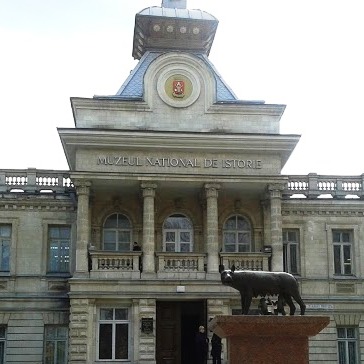
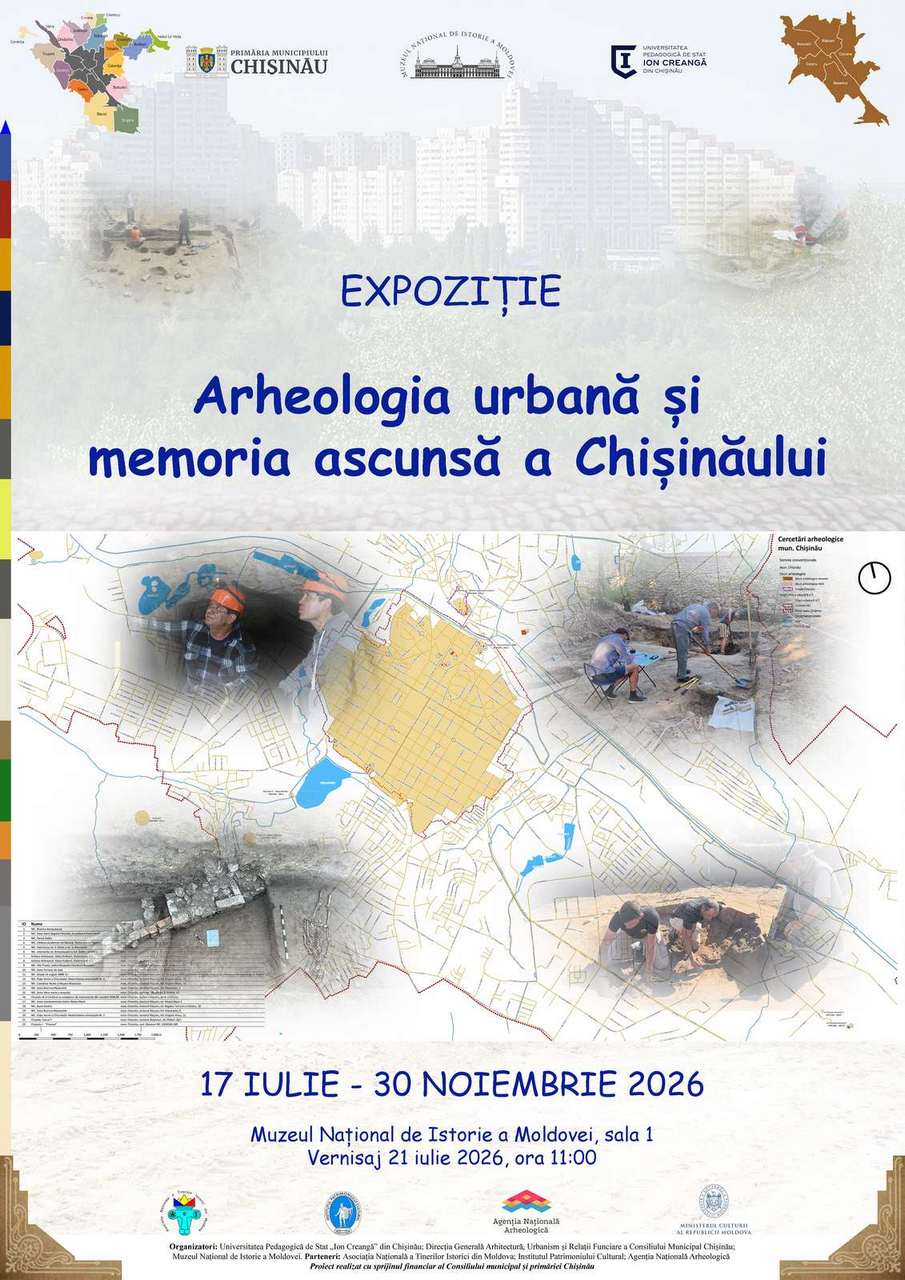
 Cities are living organisms that build their identity through the continuous accumulation of spaces, people, events, and transformations. For a long time, the history of Chișinău was associated almost exclusively with its first documentary attestation in 1436 and its urban development during the 18th and 19th centuries. However, the archaeology of the Chișinău municipality is far richer than the image of a relatively young city suggests. Archaeological investigations have proven that the area was inhabited thousands of years before the emergence of the medieval market town.
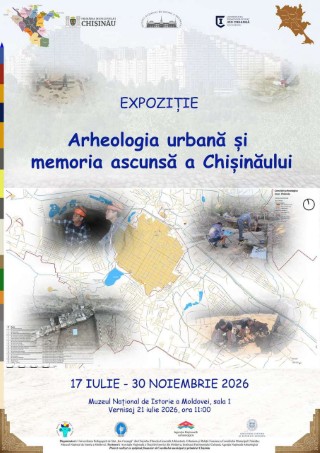
The exhibition "Urban Archaeology and the Hidden Memory of Chișinău" proposes a journey into the capital's urban history through the archaeological discoveries made in recent decades. The municipality and the academic community have initiated an extensive research and safeguarding program for the urban archaeological heritage, coordinated by teams of specialists from the "Ion Creangă" State Pedagogical University, the National Archaeological Agency, the National Museum of History of Moldova, and other specialized institutions.
Beneath the streets, buildings, and squares of contemporary Chișinău lie the material traces of the communities that inhabited, built, and remodeled this space over the centuries. Mostly invisible, these remains represent a genuine underground archive of the city, capable of completing the history known from written documents. Thus, urban archaeology becomes the tool through which fragments of daily life, economic activities, religious practices, and urban transformations that shaped Chișinău over time are recovered. All these elements ought to become a signature calling card for the municipality.
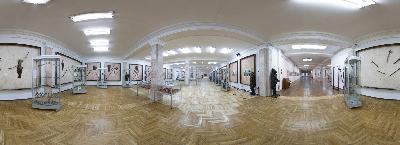
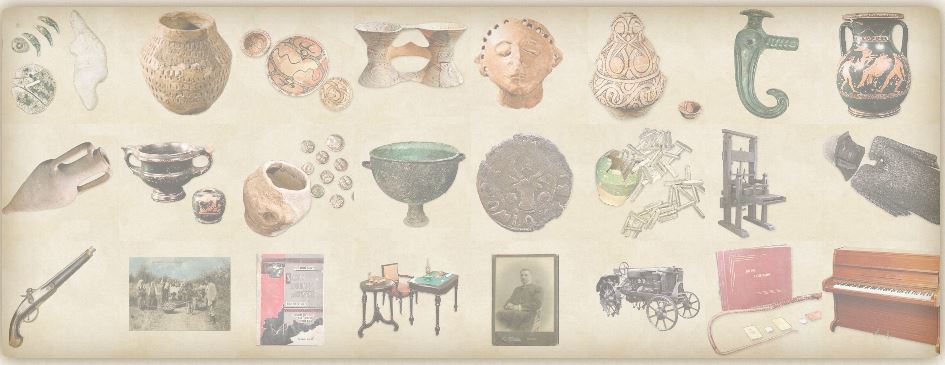
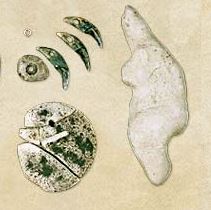
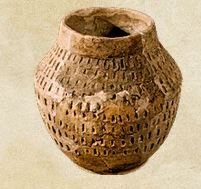
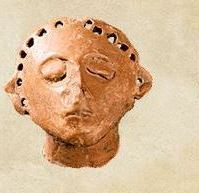
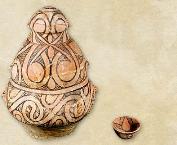
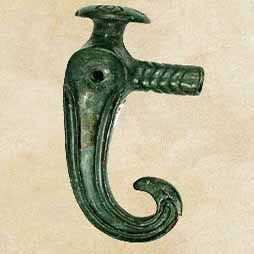
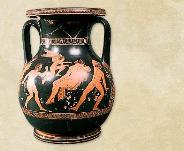
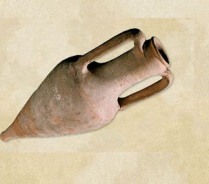
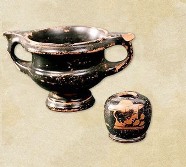
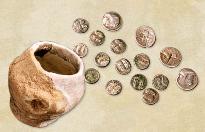
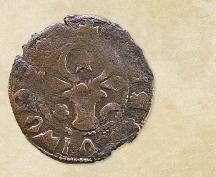
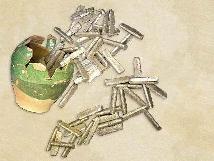
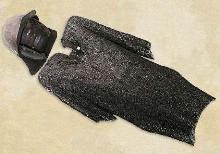
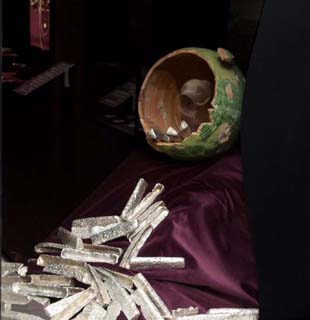
The National Museum of History of Moldova holds a rich collection of archaeological remains originating from excavations carried out in the historical core of the city (Piața Veche 8, Piața Veche 10, Măzărache Hill, Seliștea Tătărască, the Old Cathedral, Municipal Maternity Hospital No. 2, etc.), from the sites of Valea Morilor, Chișinău I-Pruncul, Durlești, Budești, Trușeni, Vadul lui Vodă, as well as other accidental discoveries within the municipality. Showcasing these finds is essential for understanding the true historical value of Chișinău, but also for raising public awareness about the need to protect heritage threatened by urban development.
This journey is based on presenting successive layers of urban history, starting from the natural landscape before the city, the first prehistoric settlements, ancient traces, the medieval market town, the early modern city, Chișinău of the 19th and 20th centuries, and finally, the contemporary city. Displaying each artifact and its context aims to familiarize the public with the methods and results of urban archaeological research and to strengthen local identity through the knowledge of urban history.
The exhibition "Urban Archaeology and the Hidden Memory of Chișinău" also highlights current challenges in the research and protection of archaeological heritage in general, and urban heritage in particular. We emphasize the role and necessity of preventive research, advanced digital documentation, the protection of areas with archaeological potential, modern investigation technologies, and the conservation and restoration of remains.
The exhibition project is accompanied by reconstructions, explanatory texts, and illustrative and graphic materials designed to complement the discovered archaeological artifacts, contextualize certain remains, and bring the information closer to the visiting public. Showcasing Chișinău's urban archaeological heritage through such exhibition endeavors will contribute to knowledge, awareness, and a sense of responsibility toward the past.





















 31 August 1989 St., 121 A, MD 2012, Chisinau, Republic of Moldova