EN RO


#Exhibit of the Month

>>>

To mark the 150th anniversary of the birth of the great Romanian sculptor Constantin Brâncuși, 2026 was declared by the President of Romania the Year of Constantin Brâncuși. Constantin Brâncuși, one of the greatest sculptors of the twentieth century, was born in 1876 in Hobița, Gorj County, and passed away in 1957 in Paris; he was buried in the Père-Lachaise cemetery. In 1904 he arrived in Paris, where he attended courses at the Royal Academy of Fine Arts. There he also worked in the studio of Auguste Rodin (1840-1917), the founder of modern sculpture, and met Amadeo Modigliani (1884-1920), the Italian sculptor settled in France. Inspired by the work of these artists, he perfected his artistic training in Paris. His works are held in museums both at home and abroad, in the Netherlands, the Scandinavian countries, France, and the United States of America. For his outstanding merits he was awarded the Order of the Star of Romania in 1923; in 1931 Nicolae Iorga proposed him for the Order of Cultural Merit; and only in 1990 was he posthumously elected a member of the Romanian Academy.
One of the artist's most famous creations is the sculpture Mademoiselle Pogany, considered a national symbol of modern Romanian art. Its protagonist was Margaret Pogany (1879-1964), a young Hungarian painter who came to Paris in 1909 to study painting techniques. Visiting her studio, she asked the sculptor to make her portrait, even leaving him a photograph and a self-portrait. In 1911 Brâncuși sculpted her likeness from memory in marble and in bronze, focusing on the deep, large, almond-shaped eyes, the subdued eyebrows, the narrow nose, the small mouth, the austere hairstyle and the modest gesture of the hands, rested against the face. Between 1912 and 1933 he produced nineteen versions of Mademoiselle Pogany.
The commemorative medal "Constantin Brâncuși (1876-1976). Expoziție Filatelică Omagială - București 1976" was struck in Romania at the State Mint by the engraver Ștefan Grudinschi. Executed in bronze with a diameter of 60 mm and a weight of 113.73 g, the medal is remarkable for its memorial and artistic value. Obverse: the sculptor's bust facing left, with the semicircular legend "CONSTANTIN BRÂNCUȘI - 1876-1976." Reverse: a fragment of the triptych The Gate of the Kiss. Semicircular legend: "EXPOZIȚIA FILATELICĂ OMAGIALĂ - BUCUREȘTI 1976."
The medal "Constantin Brâncuși. Mademoiselle Pogany. Craiova Art Museum. 1987" was also executed in bronze at the State Mint (Bucharest); it has a nominal diameter of 60 mm (because of the circular cutting the actual dimensions are D: 45 mm; weight: 53.55 g). The obverse shows, in the central field, an image of the Craiova Art Museum framed by the semicircular legend "MUZEUL DE ARTĂ - CRAIOVA / 1987." The reverse depicts a replica of the sculpture Mademoiselle Pogany made by Brâncuși's pupil O. Moșescu, accompanied by the inscription "CONSTANTIN BRÂNCUȘI - M-elle POGANY / 1913."

Virtual Tour


Events Archive

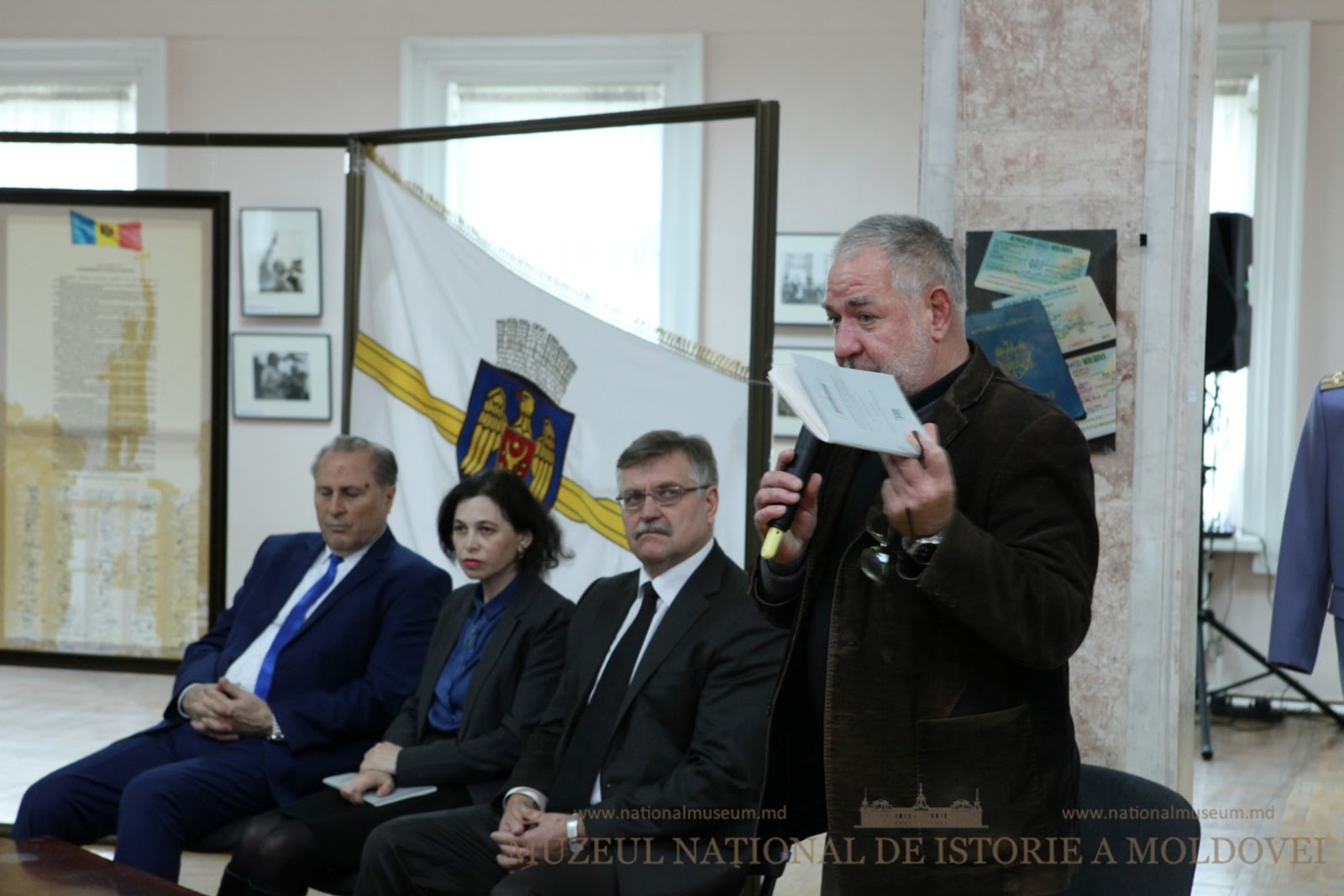
The yearly scientific conference of the National Museum of History of Moldova. XXVI edition

20-21 October 2016

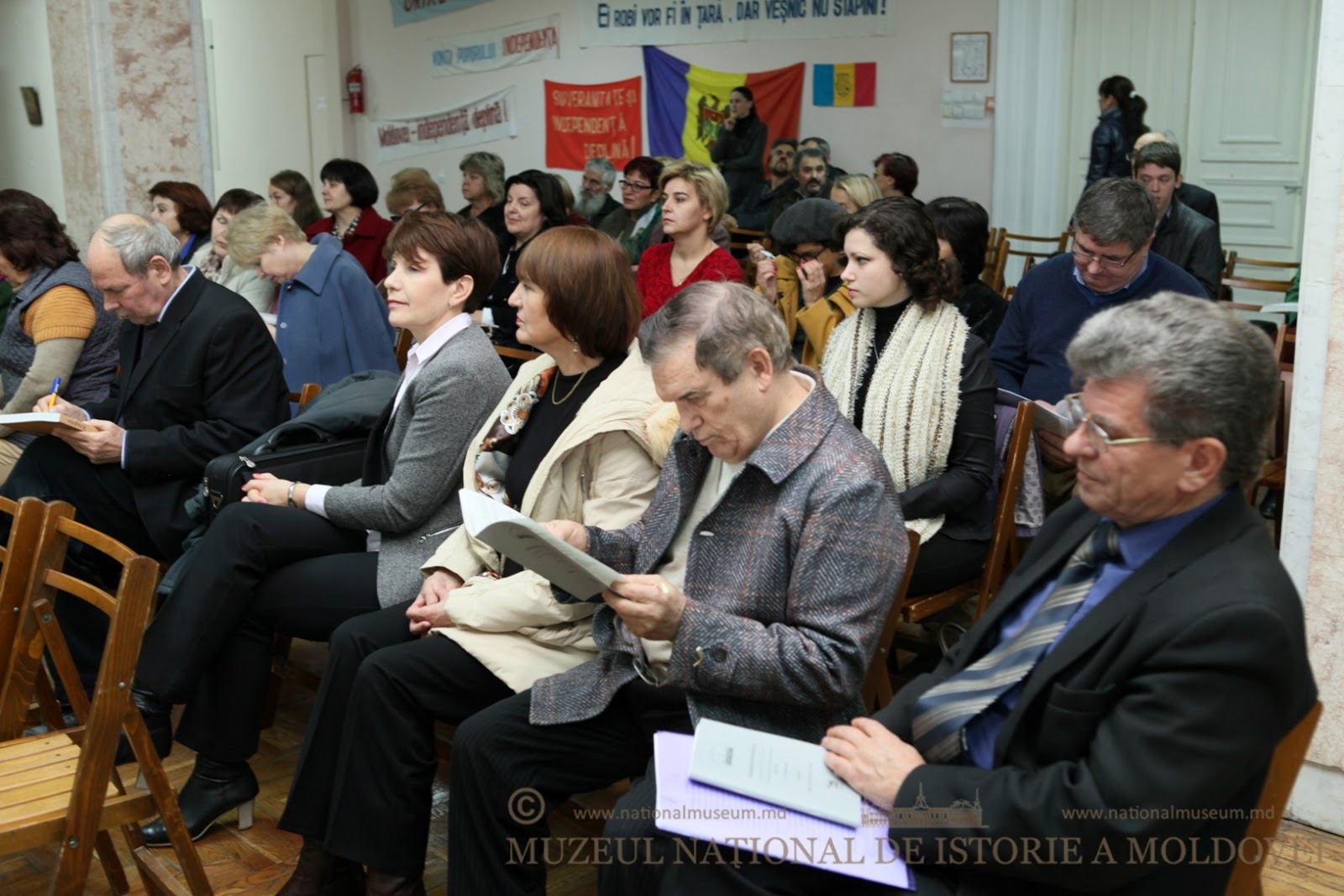
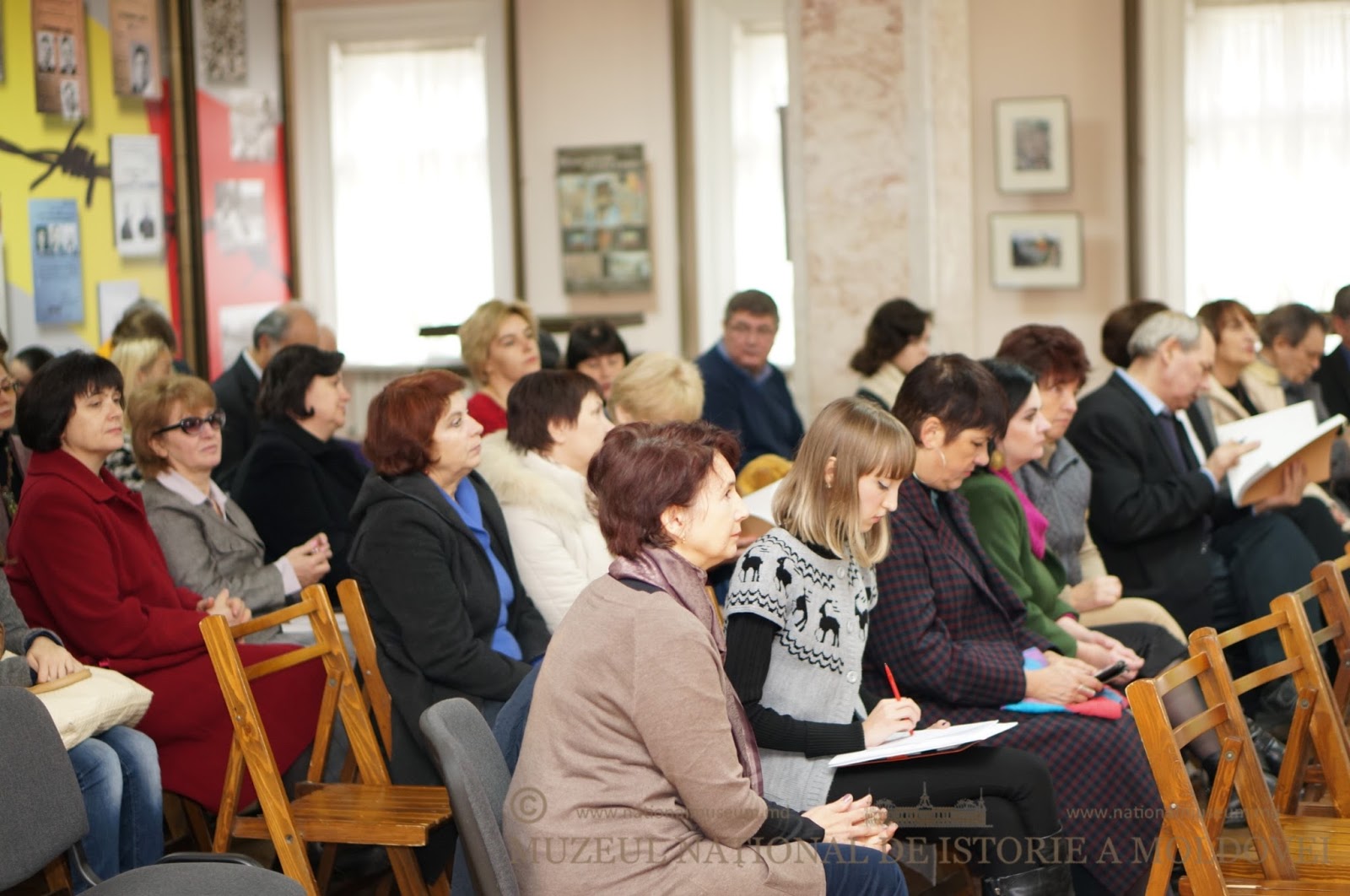
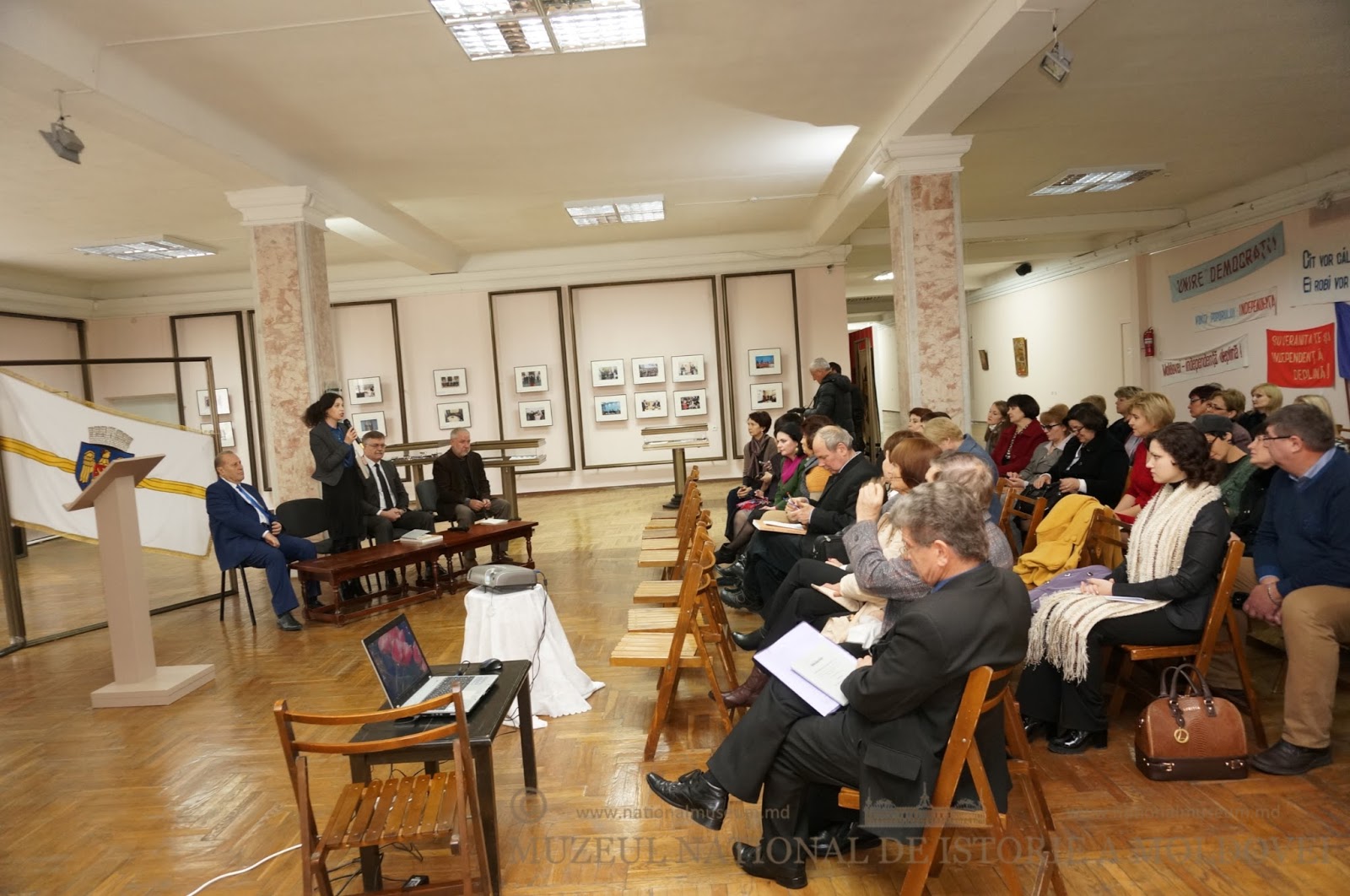
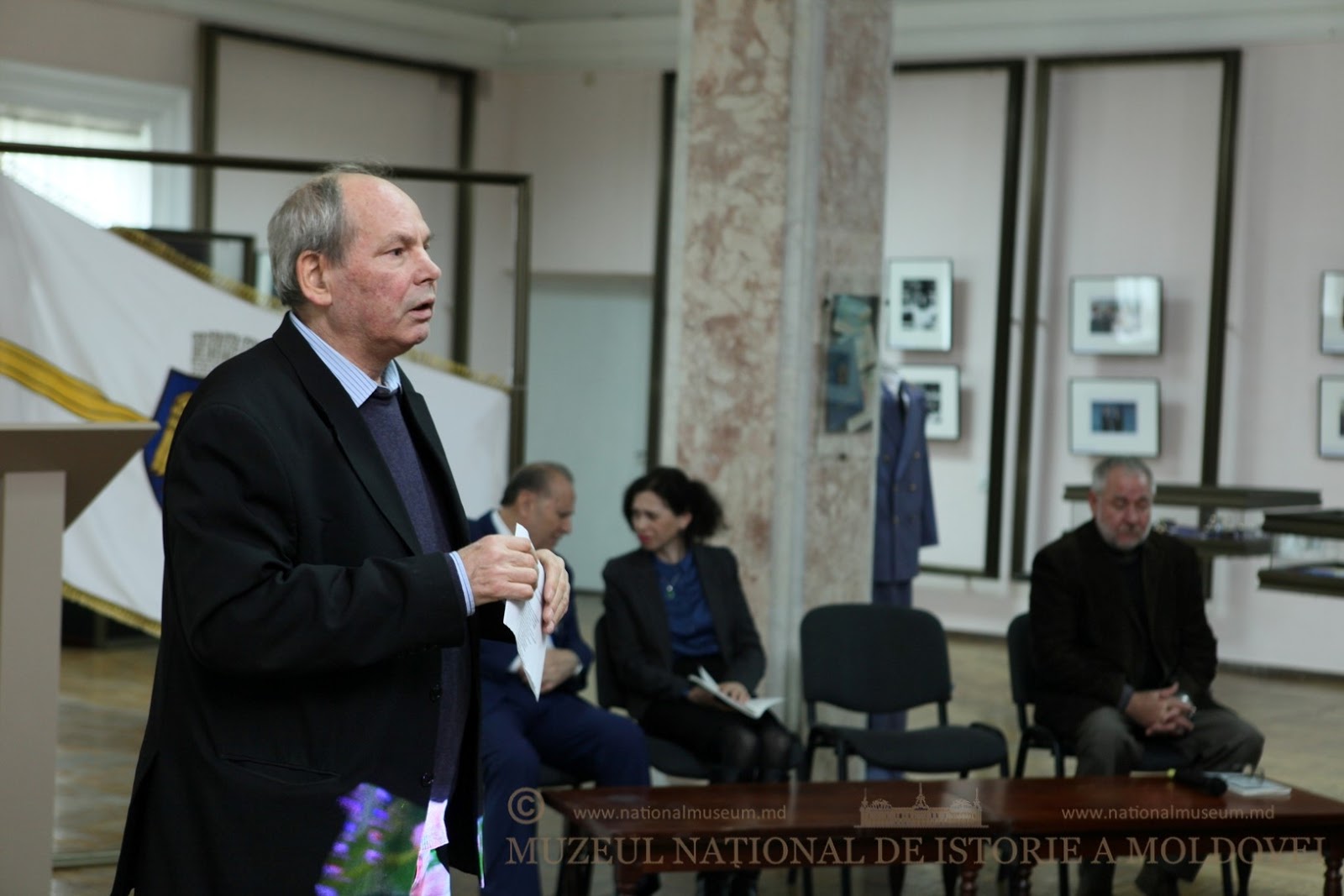
The museum's yearly scientific conference History. Archaeology. Museology. Was held on October 20 and 21, 2016, The event is at the 26th edition and is part of the extensive scientific research activity of the museum, reflecting the interest of specialists for historical, archaeological and museographic research.

The conference was attended by scholars, curators, university professors from various academic research institutions, museums and universities from Moldova, Romania, Georgia, Germany, Hungary, Ukraine, Poland.

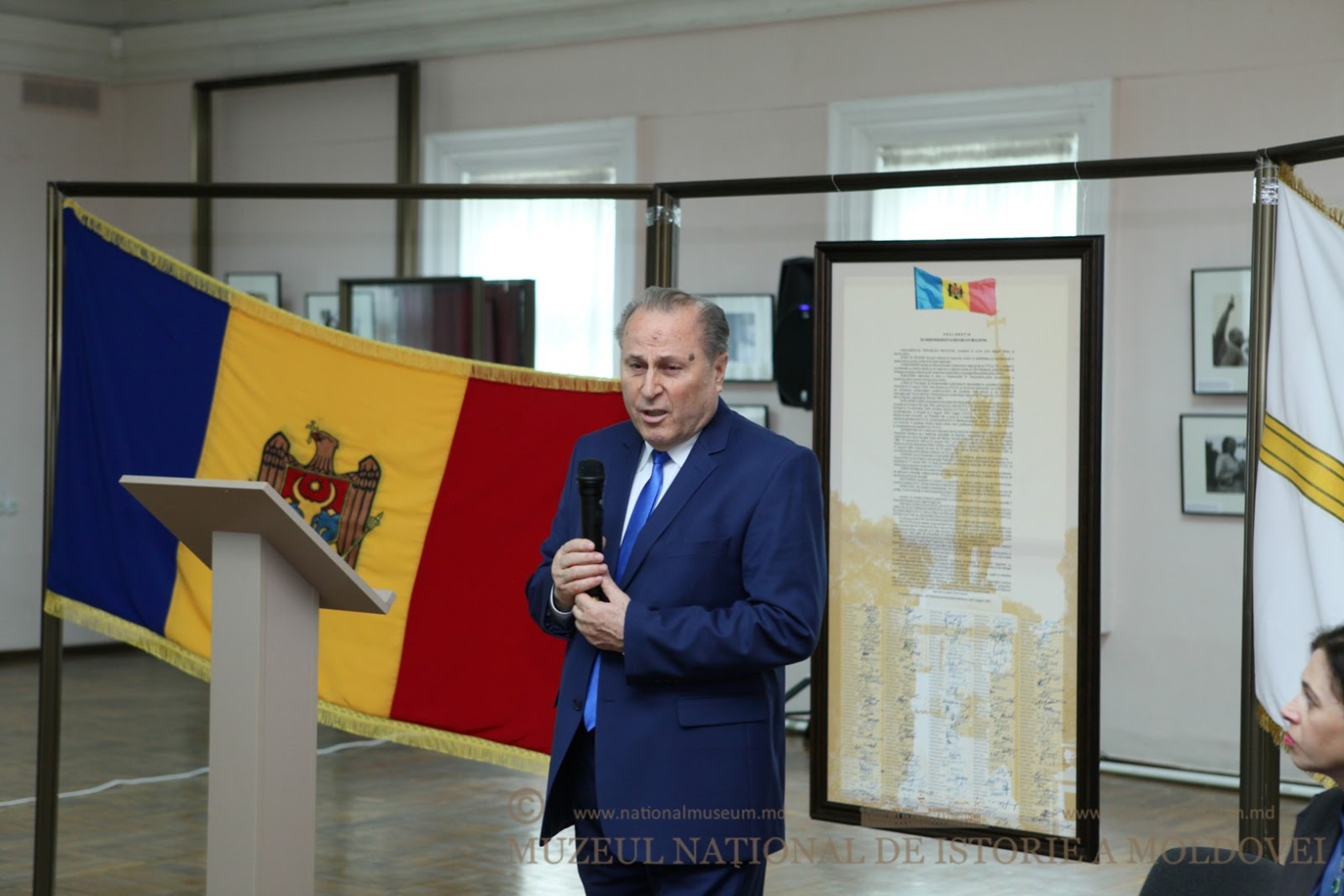
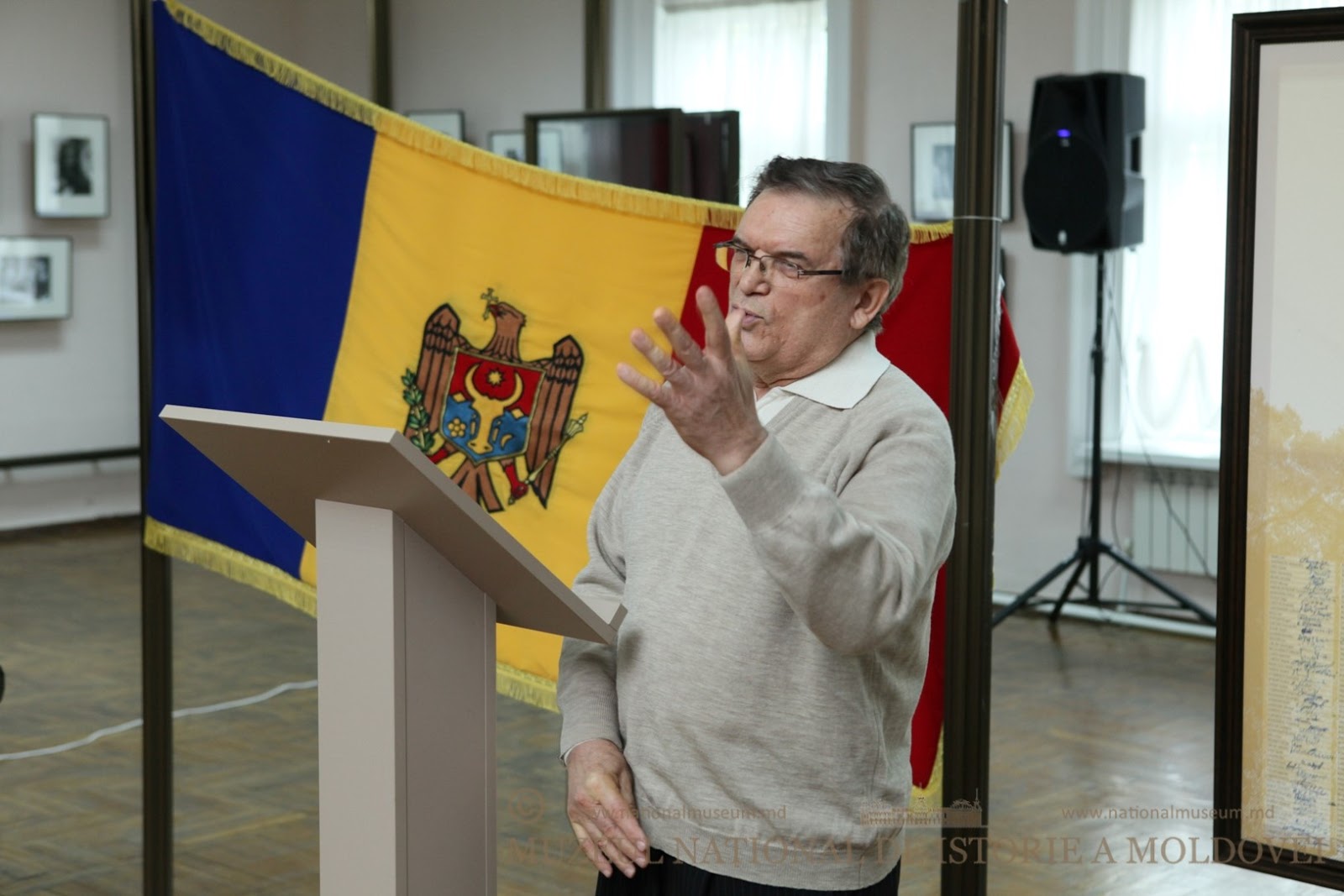
The scientific event was opened by dr.hab. Eugen Sava, general director of the museum. Then followed welcome speeches by Victor Ţvircun, academician coordinator of the Department of Humanities and Arts of the AȘM, Ion Niculiță, professor, State University of University, Liliana Condraticova, scientific secretary, Institute of Cultural Heritage of the AȘM.

The museum journal Tyragetia, Volume no.2, 2016 was launched at the plenary session. The journal was presented by dr. Aurel Zanoci and editor Vlad Pohilă.

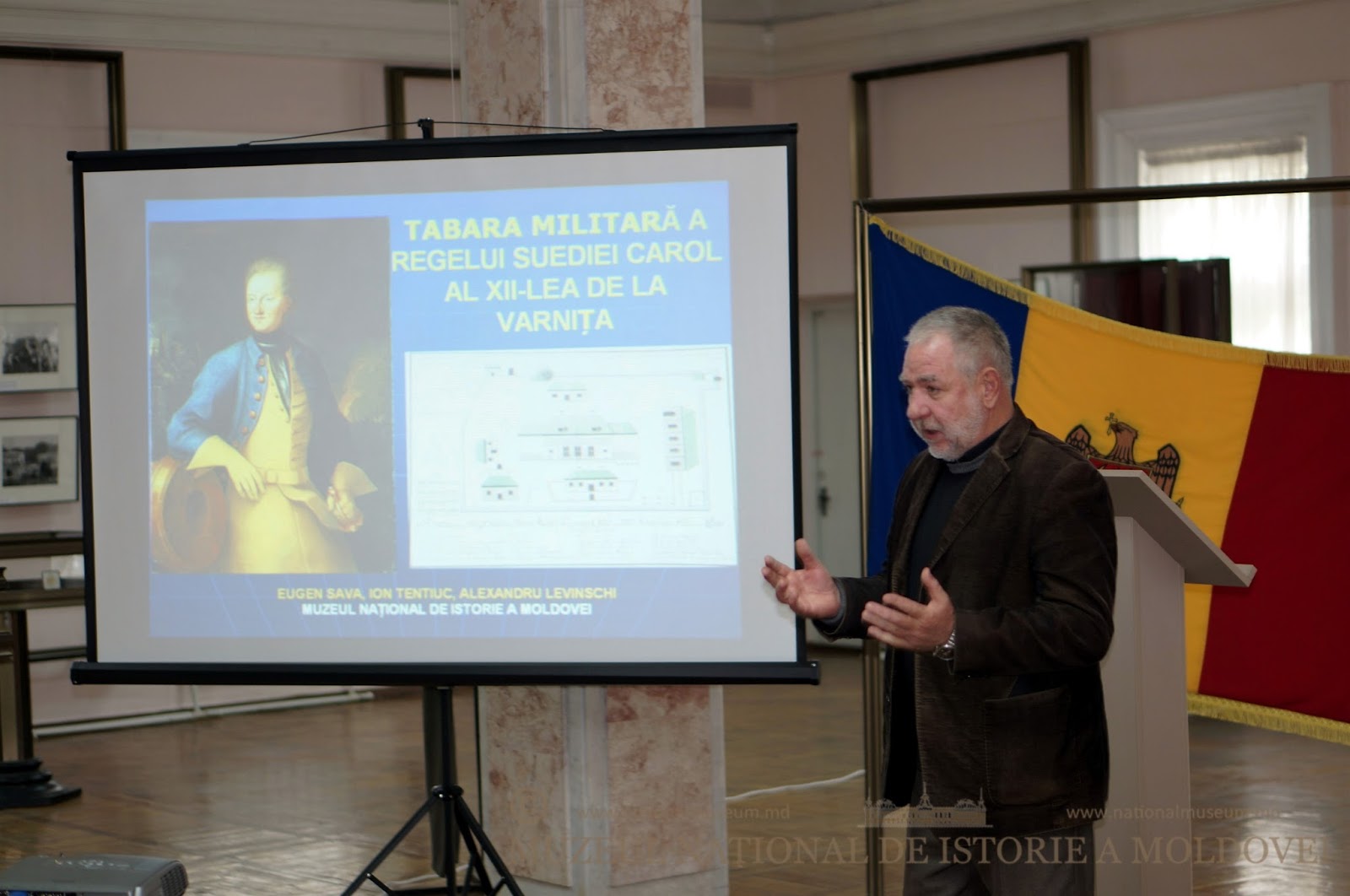
The conference had five sections: Archaeology and Ancient History, Medieval History, Modern History, Contemporary History, Museology. A total of 60 scientific papers were presented during the two working days of the conference. Two of which were presented in the plenary session: Ion Ţurcanu, Rezultate și orientări în cercetările istorice (Results and perspectives of historic research) and Eugen Sava, Ion Tentiuc, Alexandru Levinschi, Investigațiile arheologice la reședința regelui suedez Carol al XII-lea de la Varnița. Campania 2016 (Archaeological research at the residence of King Charles XII of Sweden from Varnița. Campaign of 2016).  [The entire Program of the conference]

The most interesting papers will be selected for publication in the museum journal Tyragetia, 2017.


Independent Moldova
Moldavian Soviet Socialist Republic
Bessarabia and MASSR between the Two World Wars
Bessarabia and Moldavian Autonomous Soviet Socialist Republic in the Period between the Two World Wars
Revival of National Movement
Time of Reforms and their Consequences
Abolition of Autonomy. Bessarabia – a New Tsarist Colony
Period of Relative Autonomy of Bessarabia within the Russian Empire
Phanariot Regime
Golden Age of the Romanian Culture
Struggle for Maintaining of Independence of Moldova
Formation of Independent Medieval State of Moldova
Era of the
Great Nomad Migrations
Early Middle Ages
Iron Age and Antiquity
Bronze Age
Aeneolithic Age
Neolithic Age
Palaeolithic Age
  
September 25, 2025 – September 1, 2026
 
August 11, 2025 – January 31, 2026
 
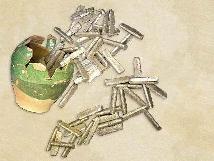
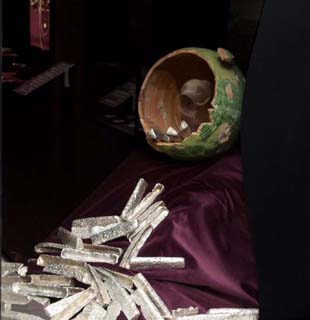
Over 2500 pieces made of precious metals with historic, artistic and symbolic value
  

Come to Museum! Discover the History!
  
Visit museum
Visit museum
Summer schedule: daily
10am – 6pm.

Winter schedule: daily
10am – 5pm.
Closed on Mondays.
Entrance fees:  adults - 50 MDL, Pensioners, students - 20 lei, pupils - 10 MDL. Free access: enlisted men (...)

WiFi Free Wi-Fi Zone in the museum: In the courtyard of the National History Museum of Moldova there is Wi-Fi Internet access for visitors.


#Exhibit of the Month

To mark the 150th anniversary of the birth of the great Romanian sculptor Constantin Brâncuși, 2026 was declared by the President of Romania the Year of Constantin Brâncuși. Constantin Brâncuși, one of the greatest sculptors of the twentieth century, was born in 1876 in Hobița, Gorj County, and passed away in 1957 in Paris; he was buried in the Père-Lachaise cemetery. In 1904 he arrived in Paris, where he attended courses at the Royal Academy of Fine Arts...

Read More >>


The National Museum of History of Moldova takes place among the most significant museum institutions of the Republic of Moldova, in terms of both its collection and scientific reputation.
©2006-2026 National Museum of History of Moldova
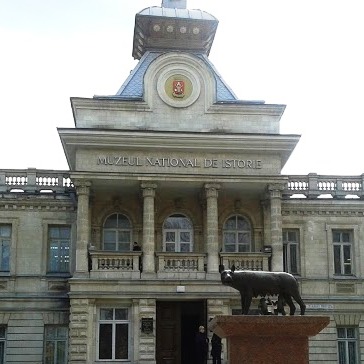
Visit museum 31 August 1989 St., 121 A, MD 2012, Chisinau, Republic of Moldova
Phones:
Secretariat: +373 (22) 24-43-25
Department of Public Relations and Museum Education: +373 (22) 24-04-26
Fax: +373 (22) 24-43-69
E-mail: office@nationalmuseum.md
Technical Support: info@nationalmuseum.md
Web site administration and maintenance: Andrei EMILCIUC


The National Museum of History of Moldova takes place among the most significant museum institutions of the Republic of Moldova, in terms of both its collection and scientific reputation.
©2006-2026 National Museum of History of Moldova
Visit museum 31 August 1989 St., 121 A, MD 2012, Chisinau, Republic of Moldova
Phones:
Secretariat: +373 (22) 24-43-25
Department of Public Relations and Museum Education: +373 (22) 24-04-26
Fax: +373 (22) 24-43-69
E-mail: office@nationalmuseum.md
Technical Support: info@nationalmuseum.md
Web site administration and maintenance: Andrei EMILCIUC

menu
The National Museum of History of Moldova takes place among the most significant museum institutions of the Republic of Moldova, in terms of both its collection and scientific reputation.
©2006-2026 National Museum of History of Moldova
Visit museum 31 August 1989 St., 121 A, MD 2012, Chisinau, Republic of Moldova
Phones:
Secretariat: +373 (22) 24-43-25
Department of Public Relations and Museum Education: +373 (22) 24-04-26
Fax: +373 (22) 24-43-69
E-mail: office@nationalmuseum.md
Technical Support: info@nationalmuseum.md
Web site administration and maintenance: Andrei EMILCIUC