EN RO


#Exhibit of the Month

>>>

To mark the 150th anniversary of the birth of the great Romanian sculptor Constantin Brâncuși, 2026 was declared by the President of Romania the Year of Constantin Brâncuși. Constantin Brâncuși, one of the greatest sculptors of the twentieth century, was born in 1876 in Hobița, Gorj County, and passed away in 1957 in Paris; he was buried in the Père-Lachaise cemetery. In 1904 he arrived in Paris, where he attended courses at the Royal Academy of Fine Arts. There he also worked in the studio of Auguste Rodin (1840-1917), the founder of modern sculpture, and met Amadeo Modigliani (1884-1920), the Italian sculptor settled in France. Inspired by the work of these artists, he perfected his artistic training in Paris. His works are held in museums both at home and abroad, in the Netherlands, the Scandinavian countries, France, and the United States of America. For his outstanding merits he was awarded the Order of the Star of Romania in 1923; in 1931 Nicolae Iorga proposed him for the Order of Cultural Merit; and only in 1990 was he posthumously elected a member of the Romanian Academy.
One of the artist's most famous creations is the sculpture Mademoiselle Pogany, considered a national symbol of modern Romanian art. Its protagonist was Margaret Pogany (1879-1964), a young Hungarian painter who came to Paris in 1909 to study painting techniques. Visiting her studio, she asked the sculptor to make her portrait, even leaving him a photograph and a self-portrait. In 1911 Brâncuși sculpted her likeness from memory in marble and in bronze, focusing on the deep, large, almond-shaped eyes, the subdued eyebrows, the narrow nose, the small mouth, the austere hairstyle and the modest gesture of the hands, rested against the face. Between 1912 and 1933 he produced nineteen versions of Mademoiselle Pogany.
The commemorative medal "Constantin Brâncuși (1876-1976). Expoziție Filatelică Omagială - București 1976" was struck in Romania at the State Mint by the engraver Ștefan Grudinschi. Executed in bronze with a diameter of 60 mm and a weight of 113.73 g, the medal is remarkable for its memorial and artistic value. Obverse: the sculptor's bust facing left, with the semicircular legend "CONSTANTIN BRÂNCUȘI - 1876-1976." Reverse: a fragment of the triptych The Gate of the Kiss. Semicircular legend: "EXPOZIȚIA FILATELICĂ OMAGIALĂ - BUCUREȘTI 1976."
The medal "Constantin Brâncuși. Mademoiselle Pogany. Craiova Art Museum. 1987" was also executed in bronze at the State Mint (Bucharest); it has a nominal diameter of 60 mm (because of the circular cutting the actual dimensions are D: 45 mm; weight: 53.55 g). The obverse shows, in the central field, an image of the Craiova Art Museum framed by the semicircular legend "MUZEUL DE ARTĂ - CRAIOVA / 1987." The reverse depicts a replica of the sculpture Mademoiselle Pogany made by Brâncuși's pupil O. Moșescu, accompanied by the inscription "CONSTANTIN BRÂNCUȘI - M-elle POGANY / 1913."

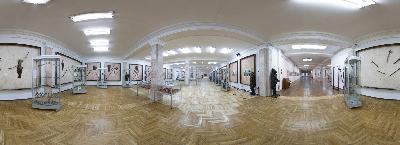
Virtual Tour


Exhibitions

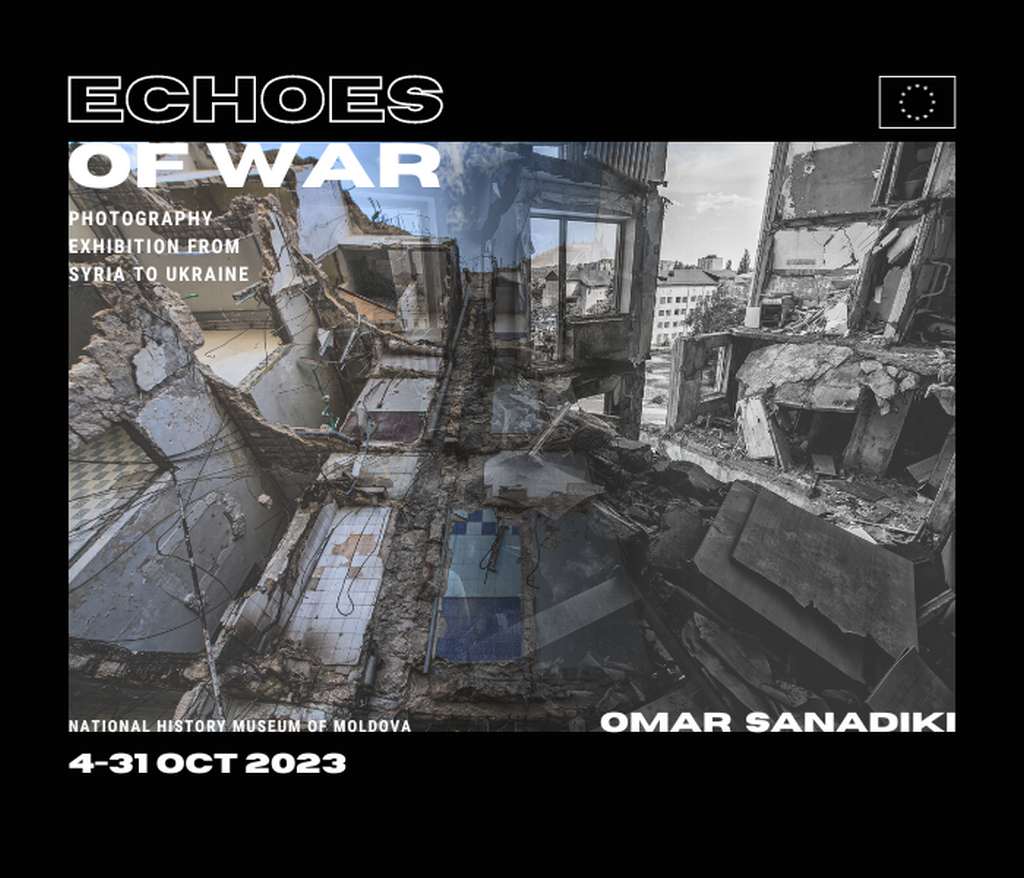
“Echoes of War”

4-31 October, 2023

"Echoes of War", witness silent symphony of tales etched in forsaken homes and faded toys - remnants of laughter and life once vibrant. Amidst the rubble, silent voices hum and whisper. From this void, new stories arise, life persists.

In this deeply poignant exhibition, the Syrian photographer Omar Sanadiki provides a reflective visual journey contrasting the silent echoes and turbulent atmospheres from the war that broke out in 2011 in Syria with those captured in 2023 in Ukraine.

In his body of work, Sanadiki captivates the essence of shared human resilience and struggle evident in the faces, landscapes, and stories immortalized in each photograph. This exhibition is not a mere depiction of wars; it unearths the universal human spirit encased in time and space, a whispering echo between two disparate nations intertwined in a common saga of conflict and hope.

The photographs reveal the stories of those who have been forced to endure the irreversible consequences of political folly, the echoes of their silent voices resonating through the powerful imagery of destroyed homelands and shattered lives. It is a contemplative exploration of war, weaving together a mosaic of suffering, strength, loss, and survival, transcending geographical and cultural or linguistic boundaries.

The exhibition has been created as a result of the study visit organized by the European External Action Service to Ukraine in June 2023.

The War as I Saw it:

It is not my habit to talk about anything until I see it with my own eyes.

When I got the chance to visit Ukraine and see the war first-hand, I had an instant flashback to the war in Syria and I started remembering...

...remembering hundreds of images that I had seen in Syria, stories I have heard before, the suffering inflicted by the war and the photographs I had taken there. I began to compare the realities of the two wars: their commonalities and their contrasts.

War is war, wherever it happens, with its repercussions of homelessness, death and widespread destruction. Regardless where and when it happens, civilians are the first ones to suffer the consequences of a manmade tragedy.

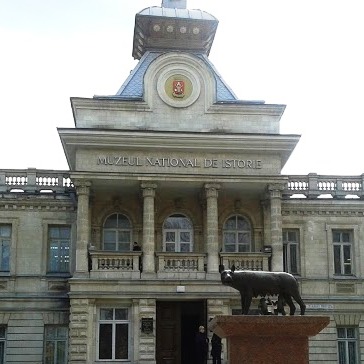
The exhibition can be seen from October 4 to 31, 2023 on the fence of the National Museum of History of Moldova.


Independent Moldova
Moldavian Soviet Socialist Republic
Bessarabia and MASSR between the Two World Wars
Bessarabia and Moldavian Autonomous Soviet Socialist Republic in the Period between the Two World Wars
Revival of National Movement
Time of Reforms and their Consequences
Abolition of Autonomy. Bessarabia – a New Tsarist Colony
Period of Relative Autonomy of Bessarabia within the Russian Empire
Phanariot Regime
Golden Age of the Romanian Culture
Struggle for Maintaining of Independence of Moldova
Formation of Independent Medieval State of Moldova
Era of the
Great Nomad Migrations
Early Middle Ages
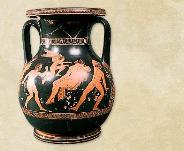
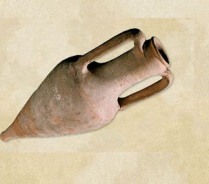
Iron Age and Antiquity
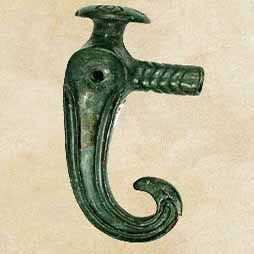
Bronze Age
Aeneolithic Age
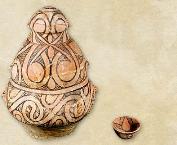
Neolithic Age
Palaeolithic Age
  
17 February 2026
 
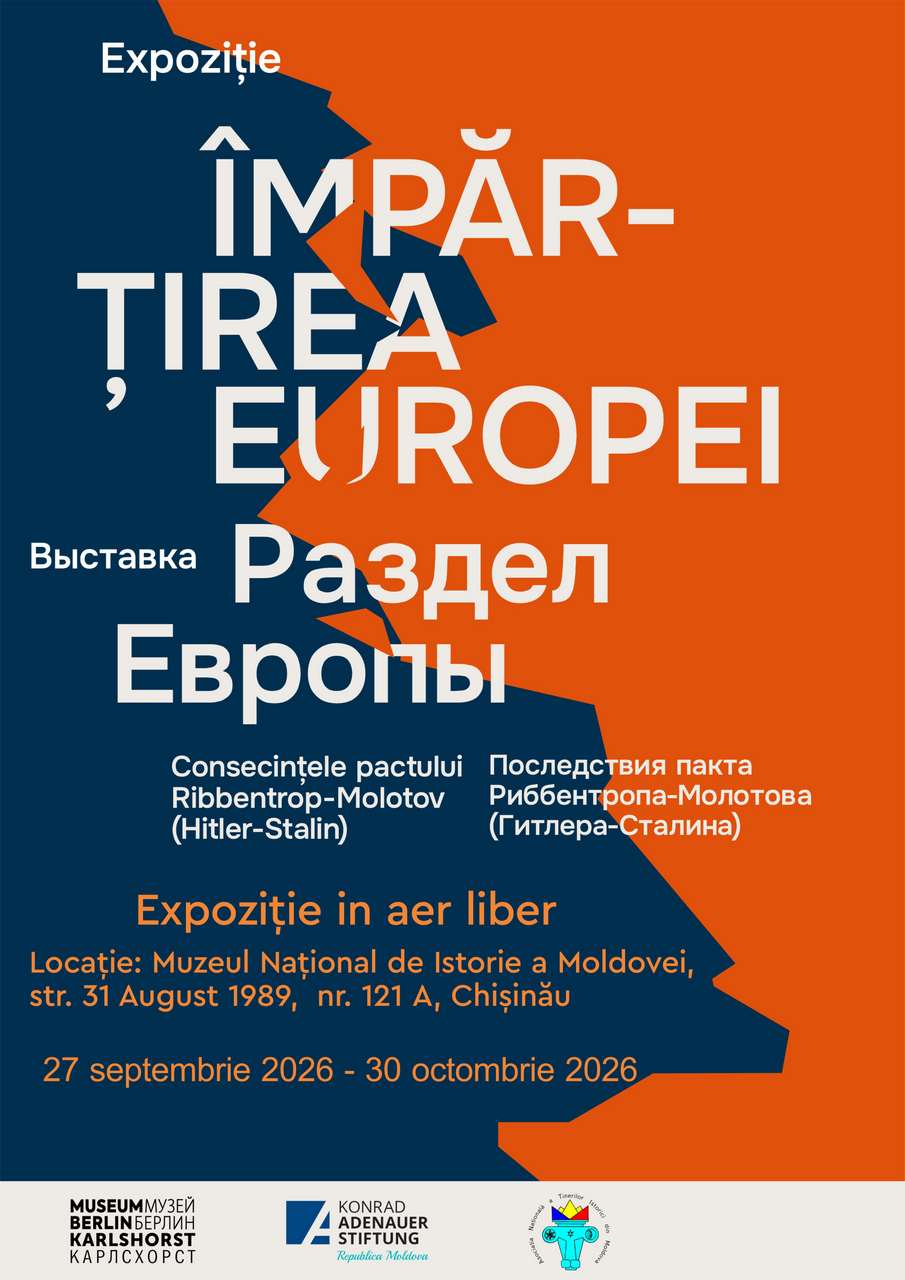
September 25, 2025 – September 1, 2026
 
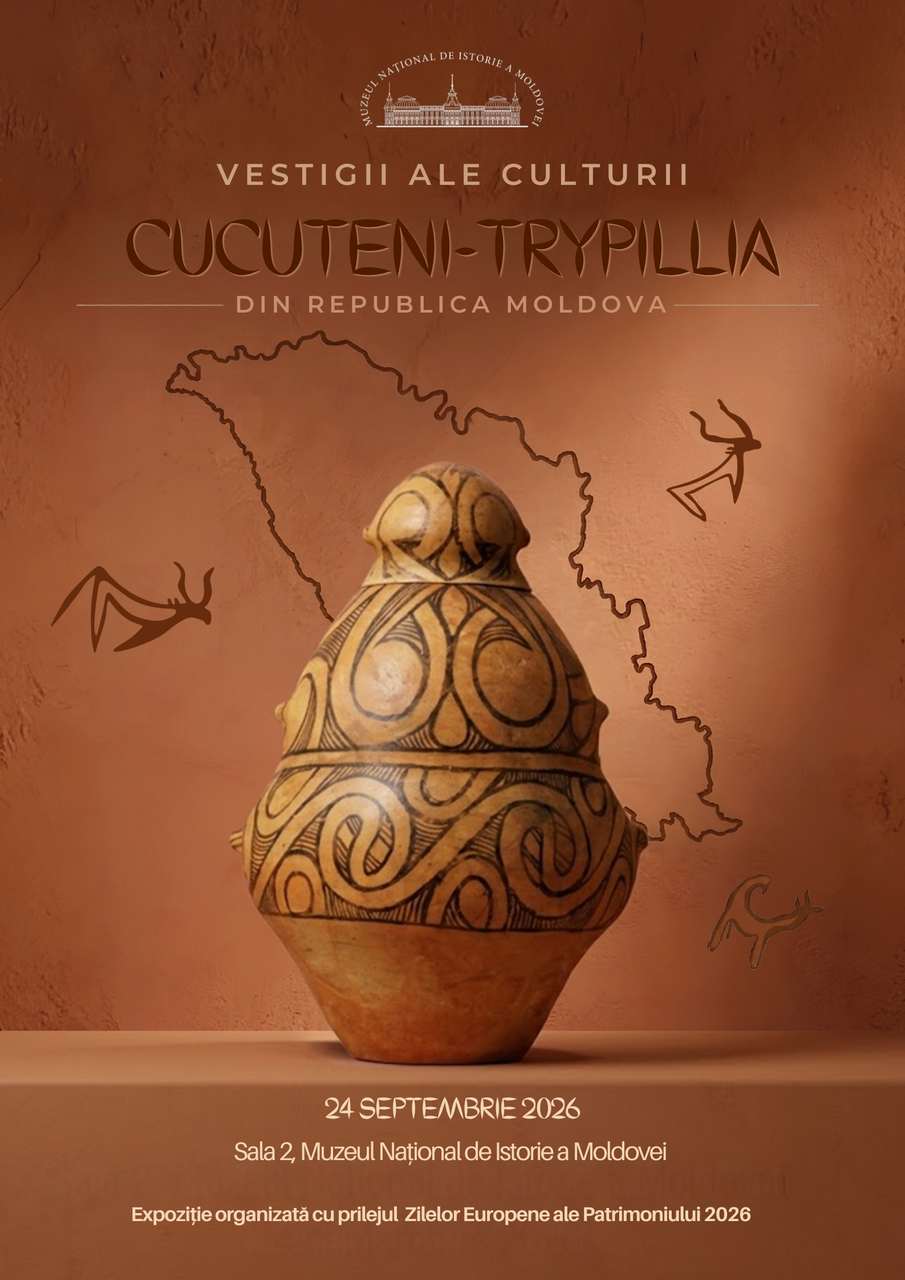
August 11, 2025 – January 31, 2026
 
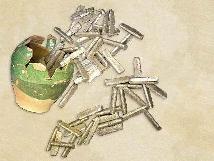
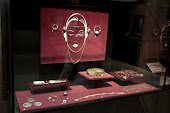
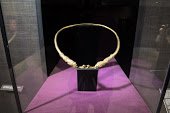
Over 2500 pieces made of precious metals with historic, artistic and symbolic value
  

Come to Museum! Discover the History!
  
Visit museum
Visit museum
Summer schedule: daily
10am – 6pm.

Winter schedule: daily
10am – 5pm.
Closed on Mondays.
Entrance fees:  adults - 50 MDL, Pensioners, students - 20 lei, pupils - 10 MDL. Free access: enlisted men (...)

WiFi Free Wi-Fi Zone in the museum: In the courtyard of the National History Museum of Moldova there is Wi-Fi Internet access for visitors.


#Exhibit of the Month

To mark the 150th anniversary of the birth of the great Romanian sculptor Constantin Brâncuși, 2026 was declared by the President of Romania the Year of Constantin Brâncuși. Constantin Brâncuși, one of the greatest sculptors of the twentieth century, was born in 1876 in Hobița, Gorj County, and passed away in 1957 in Paris; he was buried in the Père-Lachaise cemetery. In 1904 he arrived in Paris, where he attended courses at the Royal Academy of Fine Arts...

Read More >>


The National Museum of History of Moldova takes place among the most significant museum institutions of the Republic of Moldova, in terms of both its collection and scientific reputation.
©2006-2026 National Museum of History of Moldova
Visit museum 31 August 1989 St., 121 A, MD 2012, Chisinau, Republic of Moldova
Phones:
Secretariat: +373 (22) 24-43-25
Department of Public Relations and Museum Education: +373 (22) 24-04-26
Fax: +373 (22) 24-43-69
E-mail: office@nationalmuseum.md
Technical Support: info@nationalmuseum.md
Web site administration and maintenance: Andrei EMILCIUC


The National Museum of History of Moldova takes place among the most significant museum institutions of the Republic of Moldova, in terms of both its collection and scientific reputation.
©2006-2026 National Museum of History of Moldova
Visit museum 31 August 1989 St., 121 A, MD 2012, Chisinau, Republic of Moldova
Phones:
Secretariat: +373 (22) 24-43-25
Department of Public Relations and Museum Education: +373 (22) 24-04-26
Fax: +373 (22) 24-43-69
E-mail: office@nationalmuseum.md
Technical Support: info@nationalmuseum.md
Web site administration and maintenance: Andrei EMILCIUC

menu
The National Museum of History of Moldova takes place among the most significant museum institutions of the Republic of Moldova, in terms of both its collection and scientific reputation.
©2006-2026 National Museum of History of Moldova
Visit museum 31 August 1989 St., 121 A, MD 2012, Chisinau, Republic of Moldova
Phones:
Secretariat: +373 (22) 24-43-25
Department of Public Relations and Museum Education: +373 (22) 24-04-26
Fax: +373 (22) 24-43-69
E-mail: office@nationalmuseum.md
Technical Support: info@nationalmuseum.md
Web site administration and maintenance: Andrei EMILCIUC