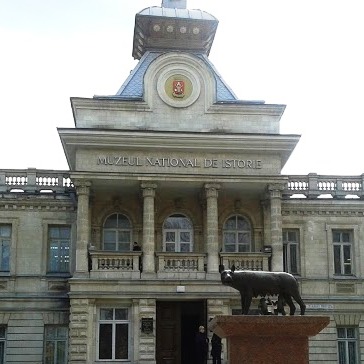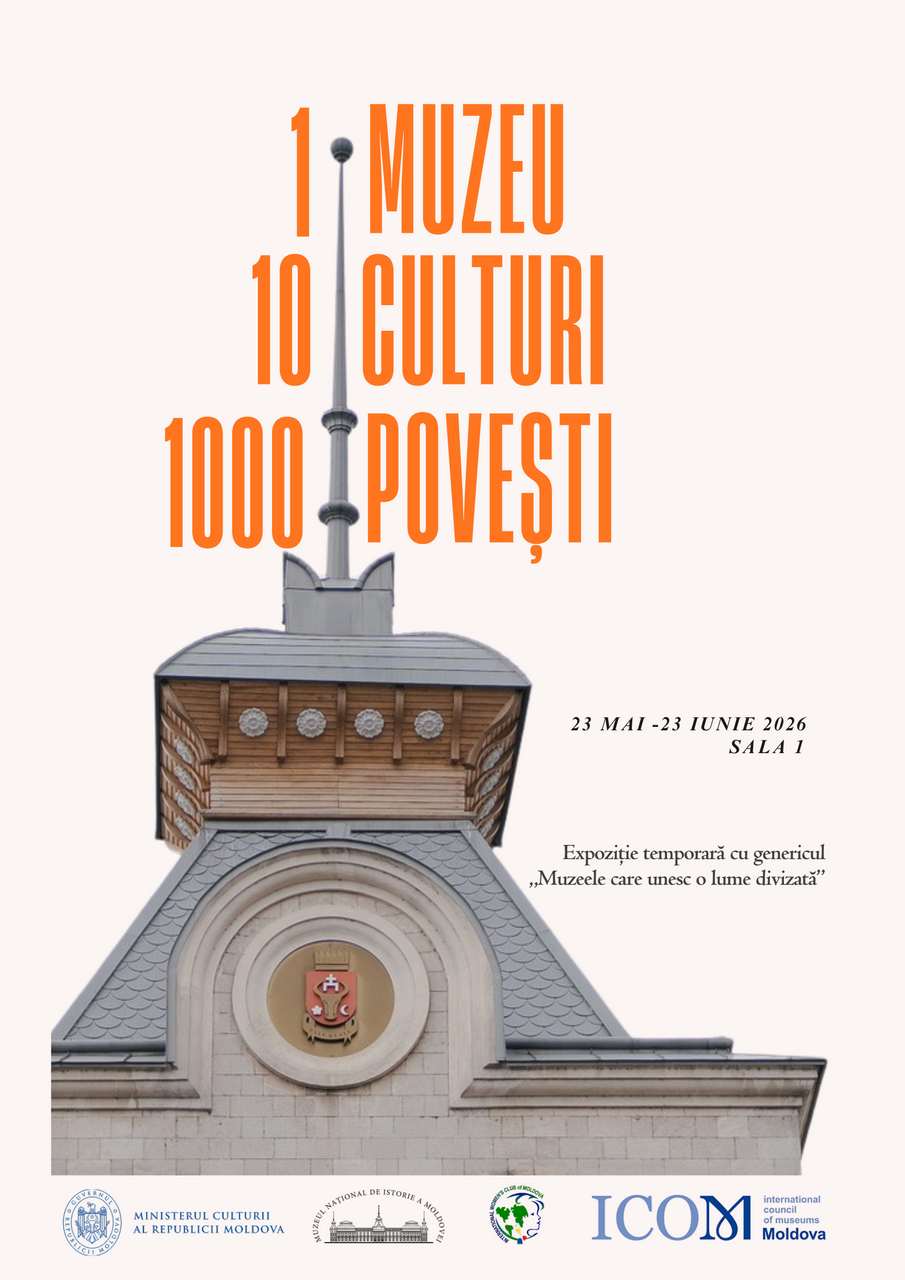
In an increasingly divided world, the museum becomes a cultural center that helps reduce the distances between people, cultures, and diverse perspectives. The exhibition "One Museum, 11 Cultures, 1001 Stories" is organized on the occasion of the International Museum Day, under the theme established by ICOM - Museums that unite a divided world.
The National Museum of History of Moldova holds a diverse collection of objects donated or received as gifts from various embassies (Azerbaijan, China, Poland, etc.), international institutions, ethnic communities, and other organizations, as well as from the founder of the "African Fashion Show" project (Sierra Leone). Showcasing these objects of cultural identity represents a special opportunity to present them as symbols of friendship and international cooperation.
Alongside these, a series of objects loaned from diplomatic missions accredited in the Republic of Moldova (Japan, Latvia, Poland, Romania, the USA, Ukraine), international organizations (Indo-Moldo Business & Cultural Organisation), and other cultural institutions (the "Adam Mickiewicz" Library), among others, will also be displayed. Through the involvement of embassies and international organizations, the event will strengthen cultural diplomacy, promote respect for democratic values, and offer visitors a unique educational experience.
The exhibition "One Museum, 11 Cultures, 1001 Stories" invites the public to embark on a journey through Asian heritage (traditional Miao and Tang costumes from China, Tibetan objects, Japanese handicrafts, Indian traditional costumes, Azerbaijani carpets, Uzbek "iroki" ceramics and embroidery), European heritage (Romanian and Ukrainian traditional costumes and objects, Lithuanian gloves and ceramics, Polish garments and jewelry, etc.), African heritage (clothing and jewelry from Sierra Leone), and North American heritage (from the Declaration of Independence to a NASA T-shirt, Peace Corps emblem, Coca-Cola bottle, etc.).
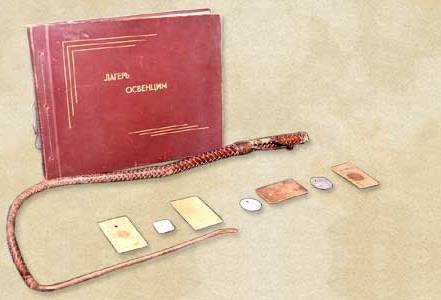
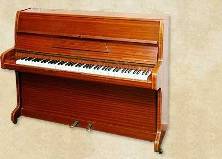
These objects-traditional costumes, handicraft artifacts, photographs, jewelry, historical documents, and everyday items-will be accompanied by complementary materials about each country and culture.
The exhibition concept contributes to the promotion of the United Nations Sustainable Development Goals, particularly strengthening global partnerships, reducing inequalities, and promoting peace and justice. Through the involvement of the international community, the exhibition offers global visibility, strengthens cultural ties, and contributes to the creation of a shared heritage for future generations.
The exhibition is organized in collaboration with the International Women's Club of Moldova, with the support of embassies and international organizations, and invites reflection on the idea that only together can we overcome divisions by valuing cultural diversity.














 31 August 1989 St., 121 A, MD 2012, Chisinau, Republic of Moldova