 The signing of the Molotov-Ribbentrop Pact on August 23, 1939, by which Nazi Germany and the Soviet Union divided their spheres of influence in Europe, led to the outbreak of the largest and most devastating conflagration in the millennial history of mankind. World War II claimed the lives of over 55 million people, left millions disabled, orphaned, and widowed, reduced thousands of cities and villages to dust, and caused immeasurable material losses.
Moldova also suffered the harsh trials of war. More than 110,000 Moldavians - civilians and soldiers on the battlefield - died. Hundreds and thousands of villages, residential buildings, industrial complexes, and peasant farms were razed to the ground during bombings and military operations.
From August 20 to 29, 1944, Moldova became the scene of one of the bloodiest military operations of World War II - the Iași-Chișinău Offensive. As a result of the fighting, the territory of Moldova was strewn with graves. Hundreds of thousands of soldiers, sons of many nations, perished here, driven by the war into foreign lands. In the following period, more than 200,000 Bessarabians were forcibly conscripted into the Soviet Army and sent to fight at the front. Some of them fought their way to Königsberg, Berlin, Korea, and militaristic Japan. More than 50,000 fell on the battlefield, finding their eternal rest in a foreign land.
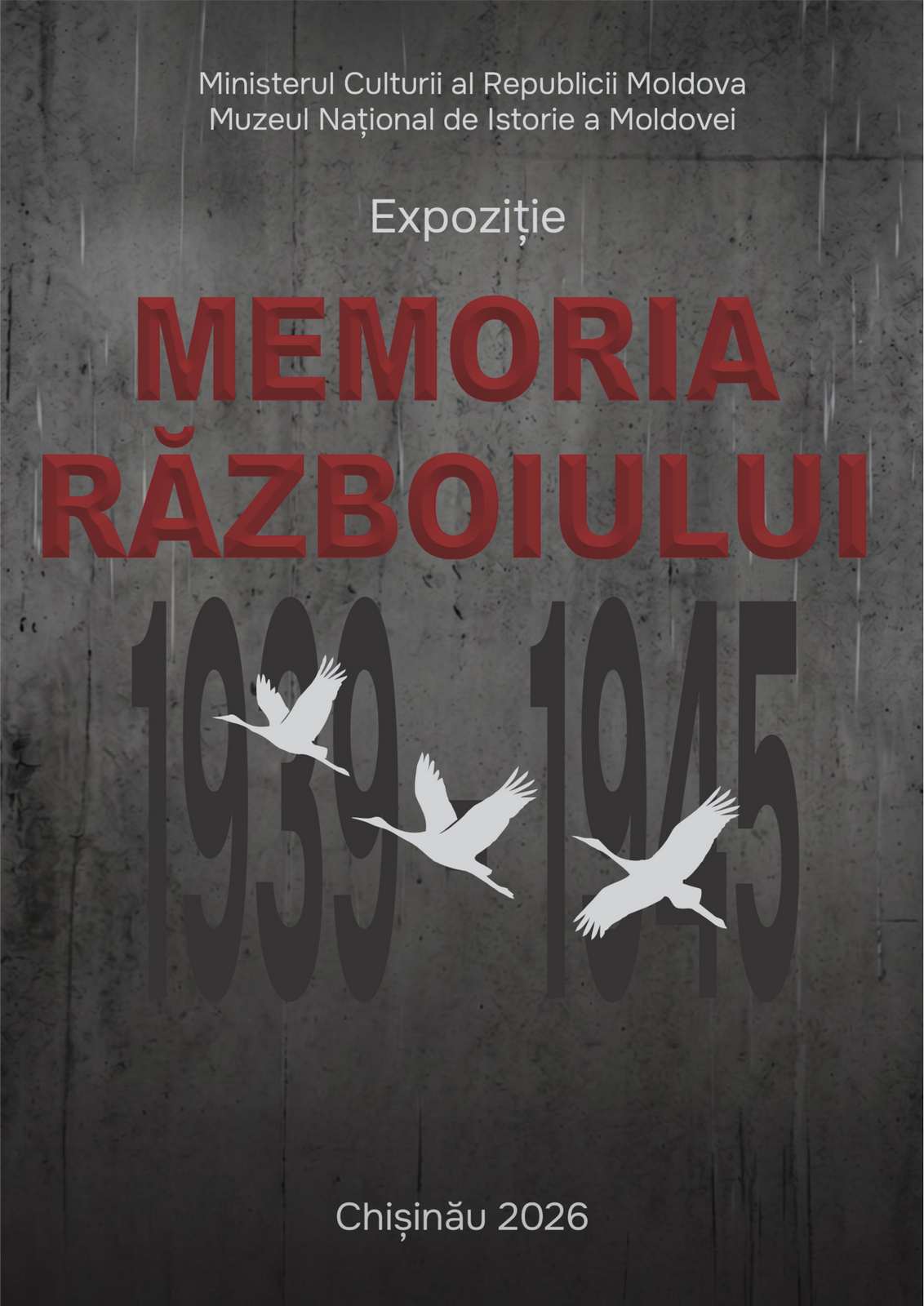
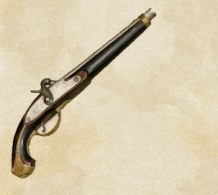
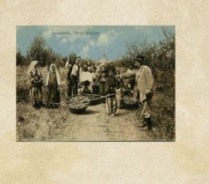
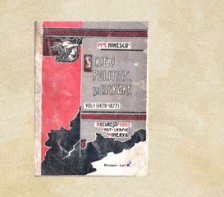
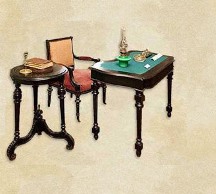
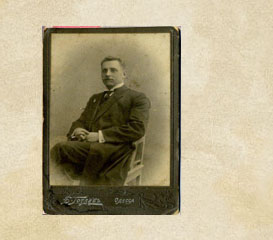
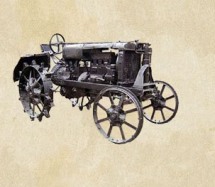
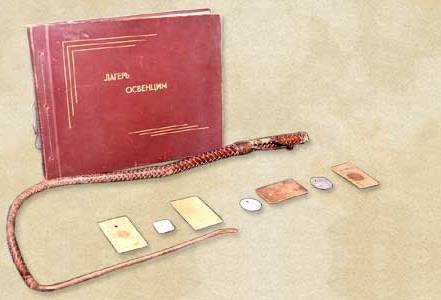
The exhibition "Memory of the War. 1939-1945" brings together about 280 museum pieces: photographs, documents, military uniforms, weapons, personal belongings of war participants, letters from the front, war trophies, awards, posters of that period, works of art and other artifacts recreating dramatic aspects of the history of World War II.
Historical relics remind us of the self-sacrifice and heroism shown by our fellow citizens in the fight against fascism, for which they received (many posthumously) high military awards (D. Calaraș, I. Coval, Gh. Cernienco, N. Lebedenco, V, Ermurachi, F. Rotari, S. Niculiță, and others).
The life stories of Bessarabian soldiers Gr. Odobescu, V. Ryabov, D. Chiperi, E. Filatov, V. Sikorski, and others symbolize the dramatic destiny of Bessarabia and the many thousands of Bessarabians who, by the will of fate, found themselves in opposing camps, in enemy armies, forced to fight against each other.
The photos recreate an ominous picture of the destruction caused by military actions on the territory of Moldova, in particular, the consequences of the Iași-Chișinău Offensive. The ruins of Chișinău and Bălți, Tiraspol, Iași and Constanța remind us of the horrors of war and the still-unhealed wounds of this massacre.
The intensity and drama of the battles between the Soviet and German armies at the village of Leușeni on the Prut River are depicted on a monumental canvas measuring 11 x 45 meters, with a total area of 500 square meters. This canvas is part of the Diorama created by renowned artists Nikolai Prisekin and Alexei Semenov from the M.B. Grekov Studio of Military Artists in Moscow.
Through the sacrifice, suffering, and deprivation of millions of people, Europe was liberated from fascist occupation, but, unfortunately, it could not be saved from communism. Wherever the Soviet tank entered, so did the Stalinist socio-political system. One totalitarian regime was replaced by another, equally tyrannical and treacherous. The Soviet-style totalitarian regime took control of the countries of Eastern Europe, including the territory between the Prut and Dniester rivers, leaving behind millions of victims of arrests, assassinations, famine, and deportations.


















 31 August 1989 St., 121 A, MD 2012, Chisinau, Republic of Moldova