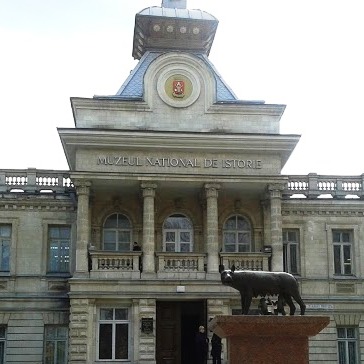
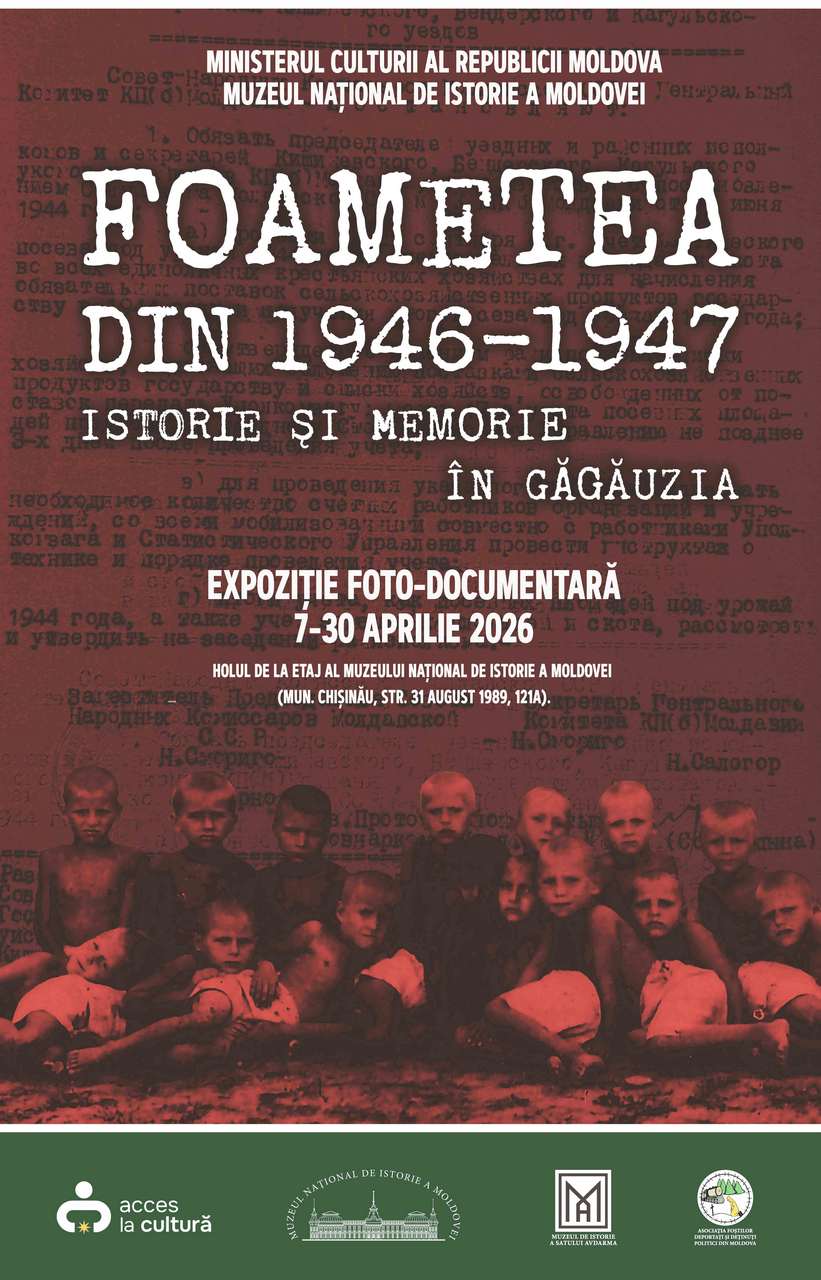
 During the period April 7-30, 2026, the National Museum of History of Moldova hosts the photo-documentary exhibition "The Famine of 1946-1947. History and Memory in Gagauzia", dedicated to one of the most tragic pages in the history of the totalitarian-communist regime. The opening will take place on Tuesday, April 7, 2026, at 2:00 p.m., in the upstairs lobby of the National Museum of History of Moldova.
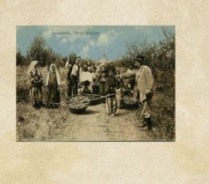
The exhibition reveals the premises, causes and dramatic consequences of the famine of 1946-1947 in the south of the Moldavian Soviet Socialist Republic, contributing to a better understanding of this scourge in Gagauz communities.
The famine of 1946-1947 in the Moldavian SSR was caused by natural and political factors. The severe drought of 1945-1946 compromised the harvests and drastically reduced grain production. However, the decisive role was played by the repressive economic policies of the Soviet state, which imposed mandatory deliveries of agricultural products to the state on peasant households. The consequences were dramatic: about 200,000 people lost their lives, representing about 10% of the population.
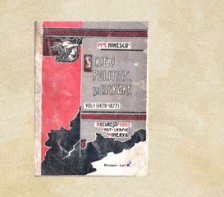
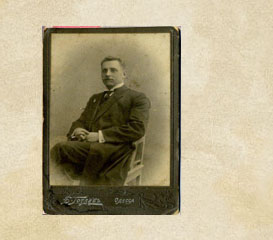
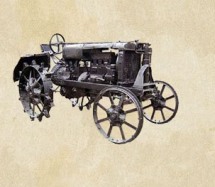
Starting with the autumn and winter of 1946, deaths due to dystrophy and physical exhaustion were recorded daily in rural and urban localities in the south of the Moldavian SSR. The situation in the region reached alarming proportions. For example, in just 15 days in December 1946, 70 people died in the Vulcănești district. In the Ceadâr-Lunga district, 15 deaths were recorded in the village of Tomai, 25 in Chiriet-Lunga, 13 in Beșghioz and 21 in Gaidai. In January 1947, the number of victims increased dramatically: 893 in Vulcănești, 825 in Congaz, 567 in Taraclia and 770 in Ceadâr-Lunga. On February 11, 1947, an official report on the situation in the Cahul region noted that, in the villages with Gagauz population, in January and February, up to 30% of the population had perished, and urgent measures were requested to prevent further loss of human life. The exhibition brings to the public attention the testimonies, photographs and documents, many of them presented for the first time, coming from the patrimony of the National Museum of History of Moldova, the Museum of History of the village of Avdarma and the funds of the National Archives Agency.
"The Famine of 1946-1947. History and Memory in Gagauzia" represents an attempt to recover collective memory and an act of symbolic justice dedicated to the victims of the Great Famine in the Moldavian SSR. Their memory is evoked in the localities of Gagauzia ATU starting with 2019, on October 19. Since 2022, the entire society of the Republic of Moldova marks this tragedy on the third Saturday of April.
The exhibition was elaborated within the project "The Famine of 1946-1947. History and Memory in Gagauzia", initiated by the History Museum of the village of Avdarma in collaboration with the National History Museum of Moldova, within the National Program "Access to Culture 2025" of the Ministry of Culture of the Republic of Moldova.
The exhibition "The Famine of 1946-1947. History and Memory in Gagauzia" will be open to the public between April 7-30, 2026, in the upstairs hall of the National Museum of History of Moldova (Chisinau, 31 August 1989 Street, 121A).
























 31 August 1989 St., 121 A, MD 2012, Chisinau, Republic of Moldova