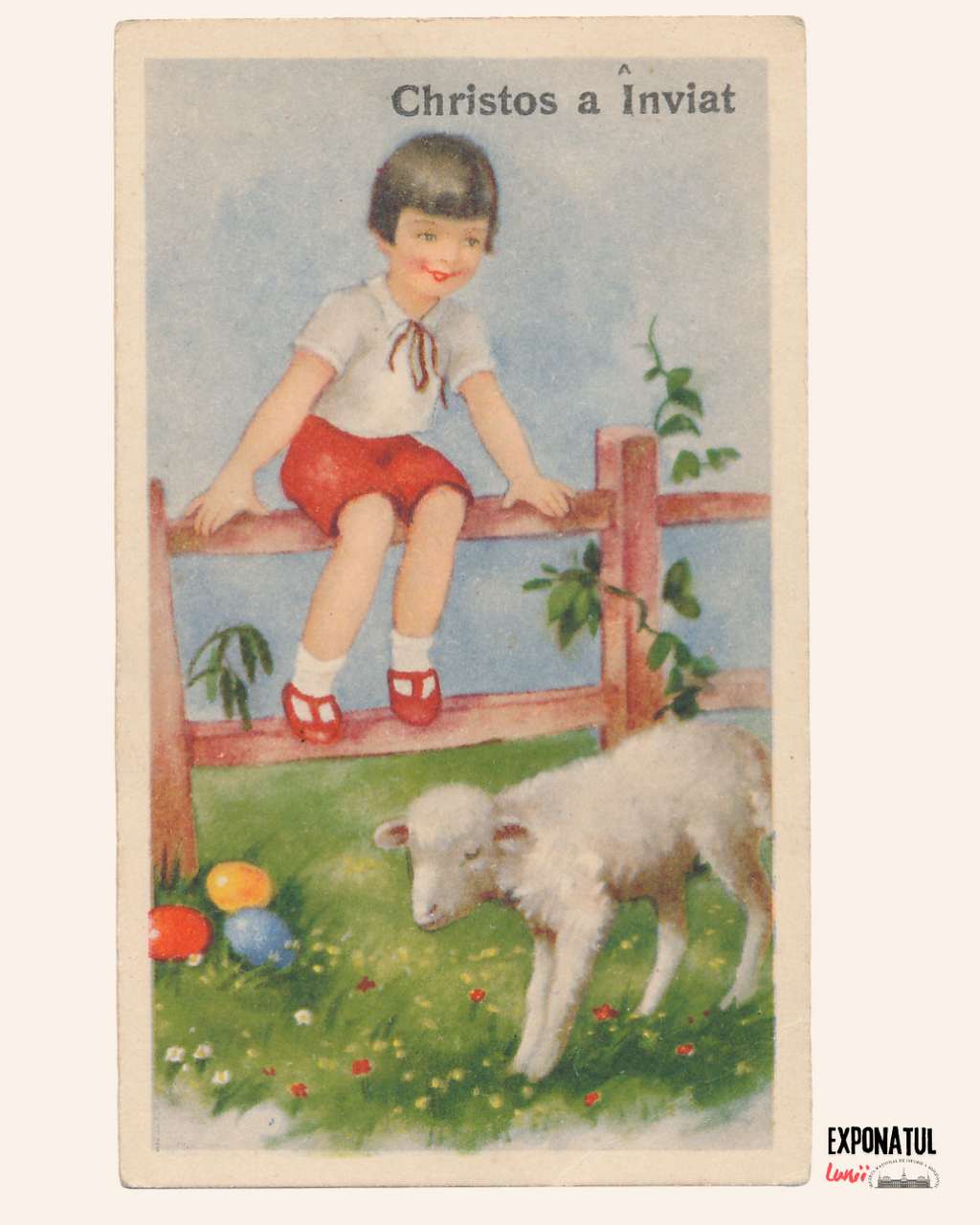
We find ourselves in the month of April, as we prepare to celebrate Easter-a moveable religious holiday rich in festive rituals and ceremonial activities that place this event at the very heart of Christian spiritual life. The spirit of the Resurrection is beautifully complemented by ten Easter-themed postcards from the heritage of the National Museum of History of Moldova, printed a century ago. These pieces were added to the museum's postcard collection over a decade ago following a successful acquisition; as the fund for Easter-themed illustrations is modest, we are in a constant search for new additions.
These postcards are "extraordinary" in terms of their postal, typographical, and chromatic effects-the primary reason for revisiting this genre of greetings. Unlike "classic" postcards, these are smaller in size (6.5 cm x 11 cm), made of cardboard (with the exception of one piece made of photographic paper in black and white), and feature "vivid" colors. Printed in Romania and Germany, they bear the marks of having been sent and circulated through the post.
The name of the holiday originates from the verb persach, meaning "to pass," a term adopted by the Jews from the Egyptians. It entered the Romanian language through the Byzantine-Latin form Paschae, signifying the "passage through death to life, the victory of life, and liberation from the bondage of sin." Easter is a holiday of tolerance and forgiveness, representing a bridge between the present and the past. The significance of this celebration is conveyed through its symbols, which are also featured on these postcards: Hand-painted eggs, the Easter Bunny and the Lamb, traditional sweet breads (cozonac and pască), biblical scenes related to the crucifixion and resurrection of Jesus Christ.
The Easter table also features pască-a ritual food reminiscent of ancient, bloodless "reconciliation" sacrifices. Its preparation is the exclusive task of women, the givers of life, as the leavened dough is considered "alive."
The most significant component of the Easter holiday, however, is the Light. The Ceremony of the Holy Light is associated with the miracle of the light appearing on Easter Sunday at Christ's Tomb in Jerusalem. The candle, often depicted in these images, carries a powerful message; it is with the Resurrection candle that we return home after the midnight religious service. Furthermore, the Easter Bunny represents the rebirth of nature, so eagerly awaited after a harsh winter.
Unlike Christmas, when the announcement and ritual integration of the community into sacred time was the duty of caroling groups, at Easter, "one does not go from house to house." Instead, the ritual meal is organized within each family, symbolizing a direct communion with God.
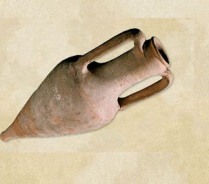
Female names on Rhodes amphora manufacturers' stamps (on the basis of amphora finds from Tyra)
Tyragetia, serie nouă, vol. V [XX], nr. 1, Arheologie. Istorie Antică
The article presents new information about women’s names on the stamps of amphora manufacturers from Rhodes. From the collection of stamps found at Tyra there were attributed 10 objects of amphora epigraphy with the names of three women – manufacturers of amphorae (the owners of pottery workshops) from the island: Νάνις, Τιμώ 2, Νικαγίς.
Although not many, these stamps with female names allow us to investigate the role and status of women in the Greek society in the Hellenistic era and change some ideas about ownership and inheritance in ancient Greece.
Natalia Mateevici
Amphora from Chios found in Dubăsari (new object in the collections of NMHM)
Tyragetia, serie nouă, vol. VII [XXII], nr. 1, Arheologie. Istorie Antică
Natalia Mateevici
New Greek amphora stamps found at Argamum/Orgame (excavations 1999-2000)
Tyragetia, serie nouă, vol. XVI [XXXI], nr. 1, Arheologie. Istorie Antică, Chişinău, 2022
Natalia Mateevici
Menda at Orgame/Argamum. Faleza Est Sector (excavations 1999-2000)
Tyragetia, serie nouă, vol. XIX [XXXIV], nr. 1, Arheologie. Istorie Antică, Chişinău, 2025
Natalia Mateevici
In memoriam Nicolae Chetraru
Tyragetia, serie nouă, vol. V [XX], nr. 1, Arheologie. Istorie Antică
Natalia Mateevici
Some changes in the chronology of the Rhodos amphorae seals discovered in the barbarian surroundings of the Northwestern Pontic space
Tyragetia, serie nouă, vol. III [XVIII], nr. 1, Arheologie. Istorie Antică
We find ourselves in the month of April, as we prepare to celebrate Easter-a moveable religious holiday rich in festive rituals and ceremonial activities that place this event at the very heart of Christian spiritual life...
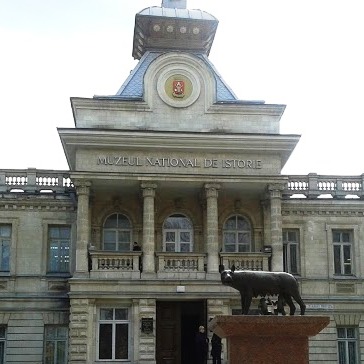
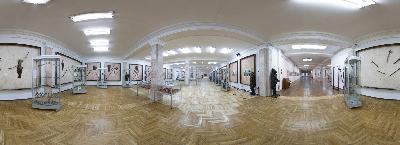
The National Museum of History of Moldova takes place among the most significant museum institutions of the Republic of Moldova, in terms of both its collection and scientific reputation.
The National Museum of History of Moldova takes place among the most significant museum institutions of the Republic of Moldova, in terms of both its collection and scientific reputation.
The National Museum of History of Moldova takes place among the most significant museum institutions of the Republic of Moldova, in terms of both its collection and scientific reputation.






.jpg)













 31 August 1989 St., 121 A, MD 2012, Chisinau, Republic of Moldova