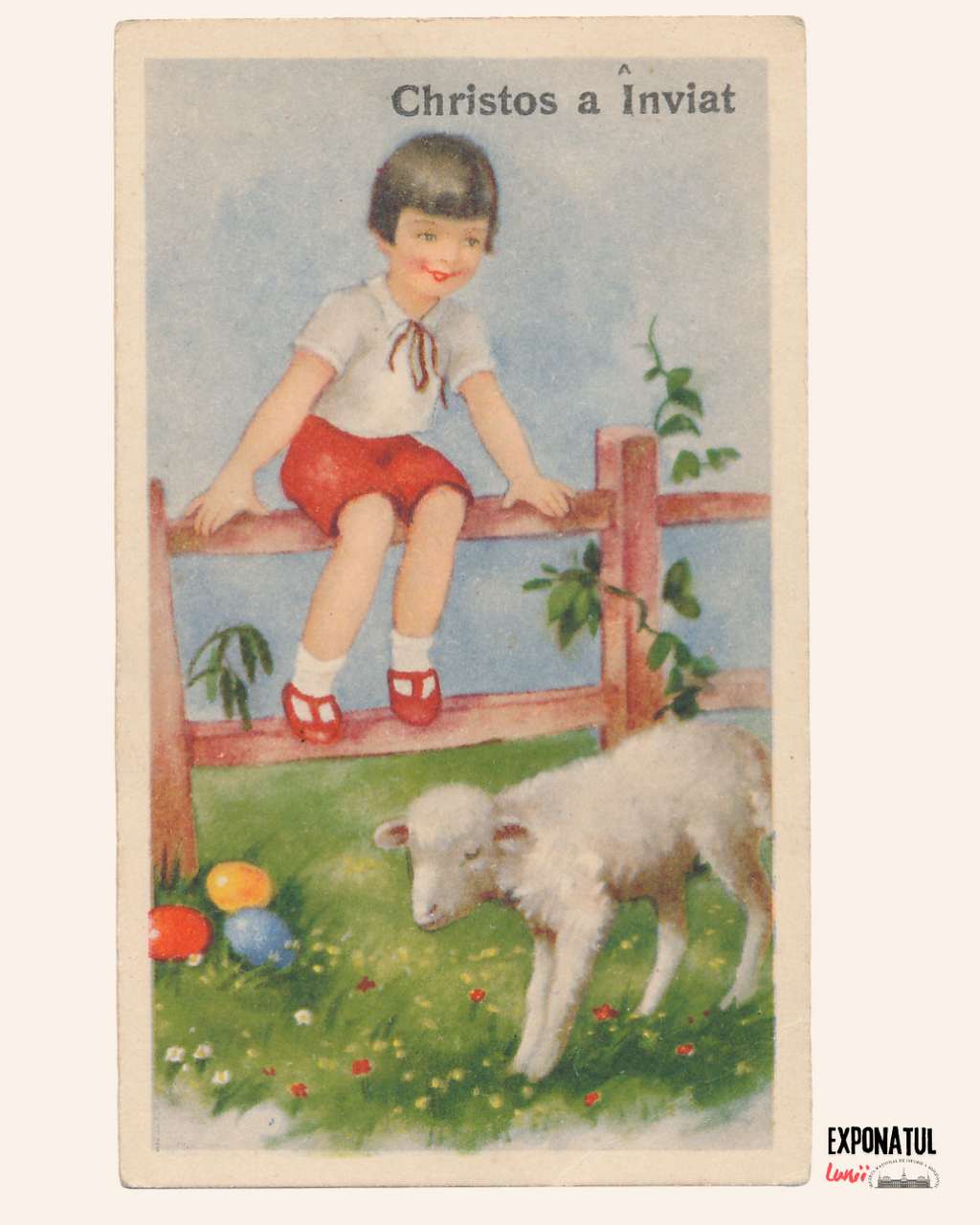
We find ourselves in the month of April, as we prepare to celebrate Easter-a moveable religious holiday rich in festive rituals and ceremonial activities that place this event at the very heart of Christian spiritual life. The spirit of the Resurrection is beautifully complemented by ten Easter-themed postcards from the heritage of the National Museum of History of Moldova, printed a century ago. These pieces were added to the museum's postcard collection over a decade ago following a successful acquisition; as the fund for Easter-themed illustrations is modest, we are in a constant search for new additions.
These postcards are "extraordinary" in terms of their postal, typographical, and chromatic effects-the primary reason for revisiting this genre of greetings. Unlike "classic" postcards, these are smaller in size (6.5 cm x 11 cm), made of cardboard (with the exception of one piece made of photographic paper in black and white), and feature "vivid" colors. Printed in Romania and Germany, they bear the marks of having been sent and circulated through the post.
The name of the holiday originates from the verb persach, meaning "to pass," a term adopted by the Jews from the Egyptians. It entered the Romanian language through the Byzantine-Latin form Paschae, signifying the "passage through death to life, the victory of life, and liberation from the bondage of sin." Easter is a holiday of tolerance and forgiveness, representing a bridge between the present and the past. The significance of this celebration is conveyed through its symbols, which are also featured on these postcards: Hand-painted eggs, the Easter Bunny and the Lamb, traditional sweet breads (cozonac and pască), biblical scenes related to the crucifixion and resurrection of Jesus Christ.
The Easter table also features pască-a ritual food reminiscent of ancient, bloodless "reconciliation" sacrifices. Its preparation is the exclusive task of women, the givers of life, as the leavened dough is considered "alive."
The most significant component of the Easter holiday, however, is the Light. The Ceremony of the Holy Light is associated with the miracle of the light appearing on Easter Sunday at Christ's Tomb in Jerusalem. The candle, often depicted in these images, carries a powerful message; it is with the Resurrection candle that we return home after the midnight religious service. Furthermore, the Easter Bunny represents the rebirth of nature, so eagerly awaited after a harsh winter.
Unlike Christmas, when the announcement and ritual integration of the community into sacred time was the duty of caroling groups, at Easter, "one does not go from house to house." Instead, the ritual meal is organized within each family, symbolizing a direct communion with God.
Petitions of the Bessarabian nobility for the teaching of Romanian language in schools of the province
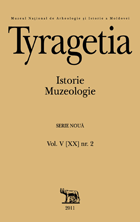
Tyragetia, serie nouă, vol. V [XX], nr. 2, Istorie. Muzeologie
In the few schools that existed in Bessarabia during the first half of the 19th century the teaching of Romanian language was at a low level due to the lack of teachers and textbooks, so the Bessarabian nobility repeatedly petitioned the tsarist authorities to improve the teaching of this subject. The response of the St. Petersburg authorities in some degree followed, but later, on February 9, 1866, the teaching of Romanian language was excluded from the curriculum of the Chisinau Regional High School – the latter institution, where at that time teaching the subject was still going on. Thus, the Romanian language was finally removed from the education system of Bessarabia.
Dinu Poștarencu
Administrative-territorial division of Bessarabia in the Tzarist period
Tyragetia, serie nouă, vol. III [XVIII], nr. 2, Istorie. Muzeologie
Dinu Poștarencu
The population census of Bessarabia in 1824
Tyragetia, serie nouă, vol. VIII [XXIII], nr. 2, Istorie. Muzeologie
Dinu Poștarencu
Additions and clarifications on the biography of Ioan Pelivan
Tyragetia, serie nouă, vol. VII [XXII], nr. 2, Istorie. Muzeologie
Dinu Poștarencu
Mihail Ozmidov, the first architect and land surveyor of the tsarist Bessarabia
Tyragetia, serie nouă, vol. I [XVI], nr. 2, Istorie. Muzeologie Chișinău, 2007
Dinu Poștarencu
Ioan Halippa – passionate researcher of the history of Bessarabia
Tyragetia, serie nouă, vol. IX [XXIV], nr. 2, Istorie. Muzeologie Chișinău, 2015
We find ourselves in the month of April, as we prepare to celebrate Easter-a moveable religious holiday rich in festive rituals and ceremonial activities that place this event at the very heart of Christian spiritual life...
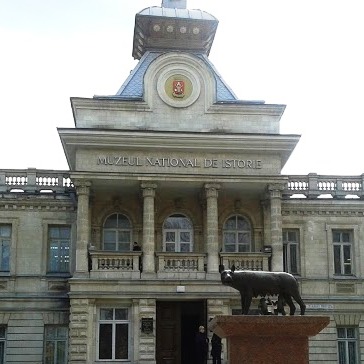
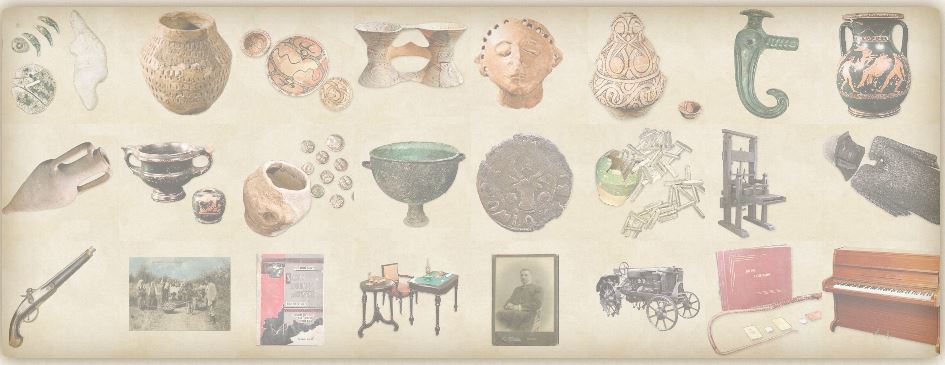
The National Museum of History of Moldova takes place among the most significant museum institutions of the Republic of Moldova, in terms of both its collection and scientific reputation.
The National Museum of History of Moldova takes place among the most significant museum institutions of the Republic of Moldova, in terms of both its collection and scientific reputation.
The National Museum of History of Moldova takes place among the most significant museum institutions of the Republic of Moldova, in terms of both its collection and scientific reputation.






.jpg)












 31 August 1989 St., 121 A, MD 2012, Chisinau, Republic of Moldova