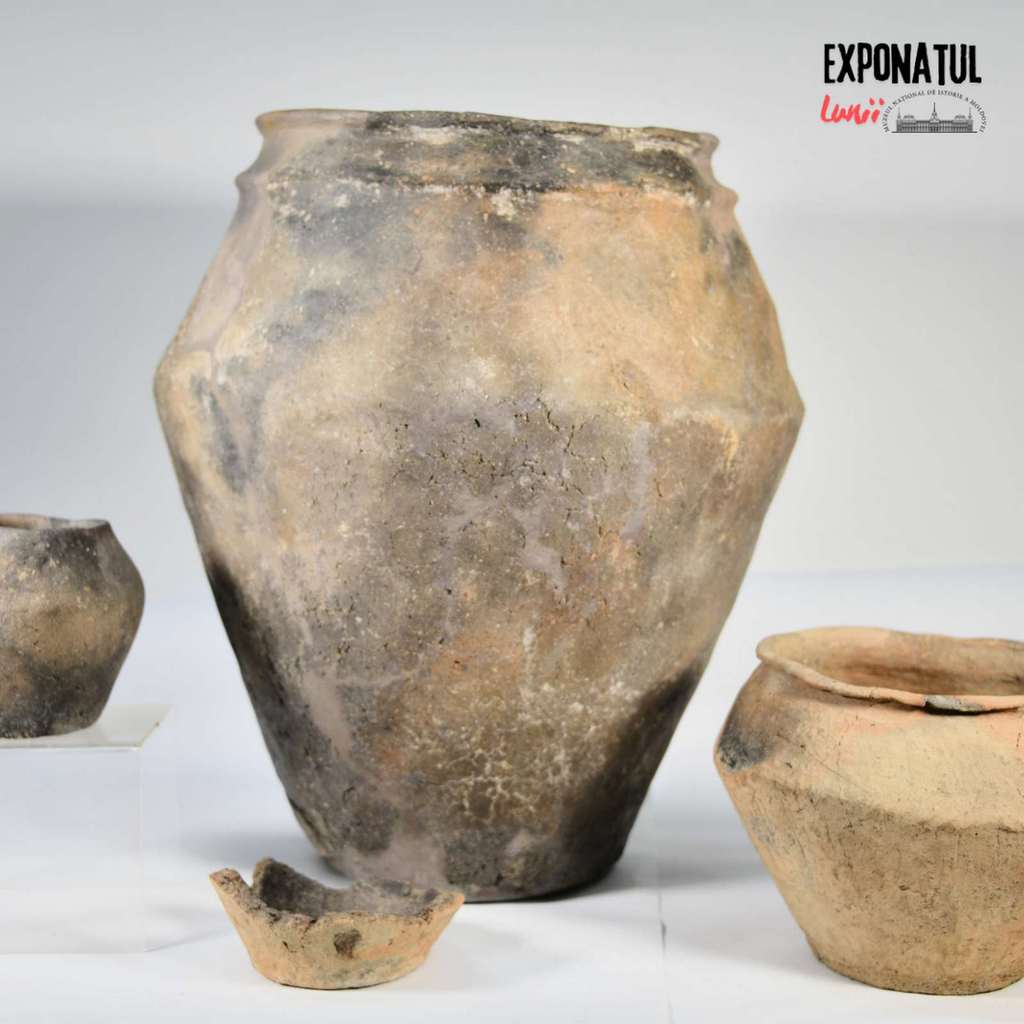
The ceramic vessel set was discovered accidentally in October 2025 in the southwestern part of the village of Bălceana, Hâncești District, approximately 1.2 km from the Lăpușnița River. The archaeological materials were recovered by the National Archaeological Agency.
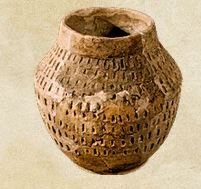
The ceramic assemblage consists of a large storage vessel (pithos) with a capacity of 20 litres (h = 39.2 cm; d = 35.0 cm), decorated with a raised band below the rim; a medium-sized bowl with a capacity of 2.5 litres (h = 16.9 cm; d = 23.2 cm); a medium-sized jug with a capacity of 0.6 litres (h = 12.0 cm; d = 13.4 cm); and the base of a jar-shaped vessel.
The coarse handmade pottery was produced using the coil-building technique, by stacking and shaping coils of clay prepared from a paste tempered with crushed fired clay (grog) and sand. The vessel surfaces are uneven and covered with a yellowish-red slip featuring black patches, while the core of the vessel walls is black in colour.
The three vessels preserved intact display well-defined biconical shapes, with their maximum diameter at the middle of the body and straight or slightly oblique rims with rounded edges. Pottery of this type is characteristic of the Early Medieval cultural area of the northern and northwestern Black Sea region, dating from the 5th to the 7th centuries. East of the Dniester River, on the territory of present-day Ukraine, analogous pottery is found in Penkovka-type settlements, while in the Carpathian-Dniester region it is characteristic of settlements belonging to the Costișa-Botoșana-Hansca cultural group.
Within the Prut-Dniester region, coarse biconical pottery is generally represented by fragments and only relatively rarely by complete vessels, such as those discovered at Hansca, Dănceni, Recea, Seliște, Păhărniceni, and other sites. This type of pottery constituted an indispensable component of the local material culture during the 5th-7th centuries. In this context, the discovery at Bălceana of an almost intact set of coarse biconical vessels represents a relatively rare find of considerable scientific importance.
According to certain hypotheses, the tradition of coarse biconical pottery dating to the 5th-7th centuries originated in the North Pontic region. At the same time, it cannot be ruled out that these biconical ceramic vessels were the result of contemporary ethnocultural interactions, developing simultaneously across the vast territory extending from the Carpathian Mountains to the Dnieper River and the Seversky Donets.
Coordinates of the evolution of the political elite of Moldavia in the first half of the 15th century
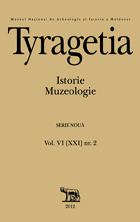
Tyragetia, serie nouă, vol. VI [XXI], nr. 2, Istorie. Muzeologie
The evolution of the Moldavian political elite, as it was at the beginning of the 15th century, shows clearly that some stages had already been covered since the moment of its formation. Those stages had been directly determined by the socio-political and economic matters and by the particularities of the geographical space. The first three decades of this century were marked by prosperity and balance of power, manifested in the relationship between the domestic political elite and the ruler; from 1432 to 1457 the situation changed into a real internal crisis caused by the fighting between different political groups that supported different claimants to the throne, either legitimate or illegitimate.
The ceramic vessel set was discovered accidentally in October 2025 in the southwestern part of the village of Bălceana, Hâncești District, approximately 1.2 km from the Lăpușnița River. The archaeological materials were recovered by the National Archaeological Agency...
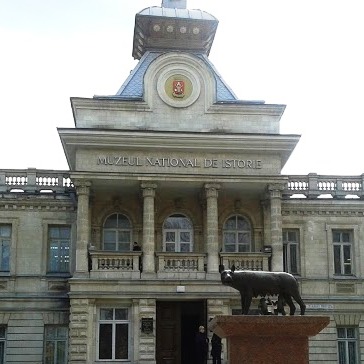
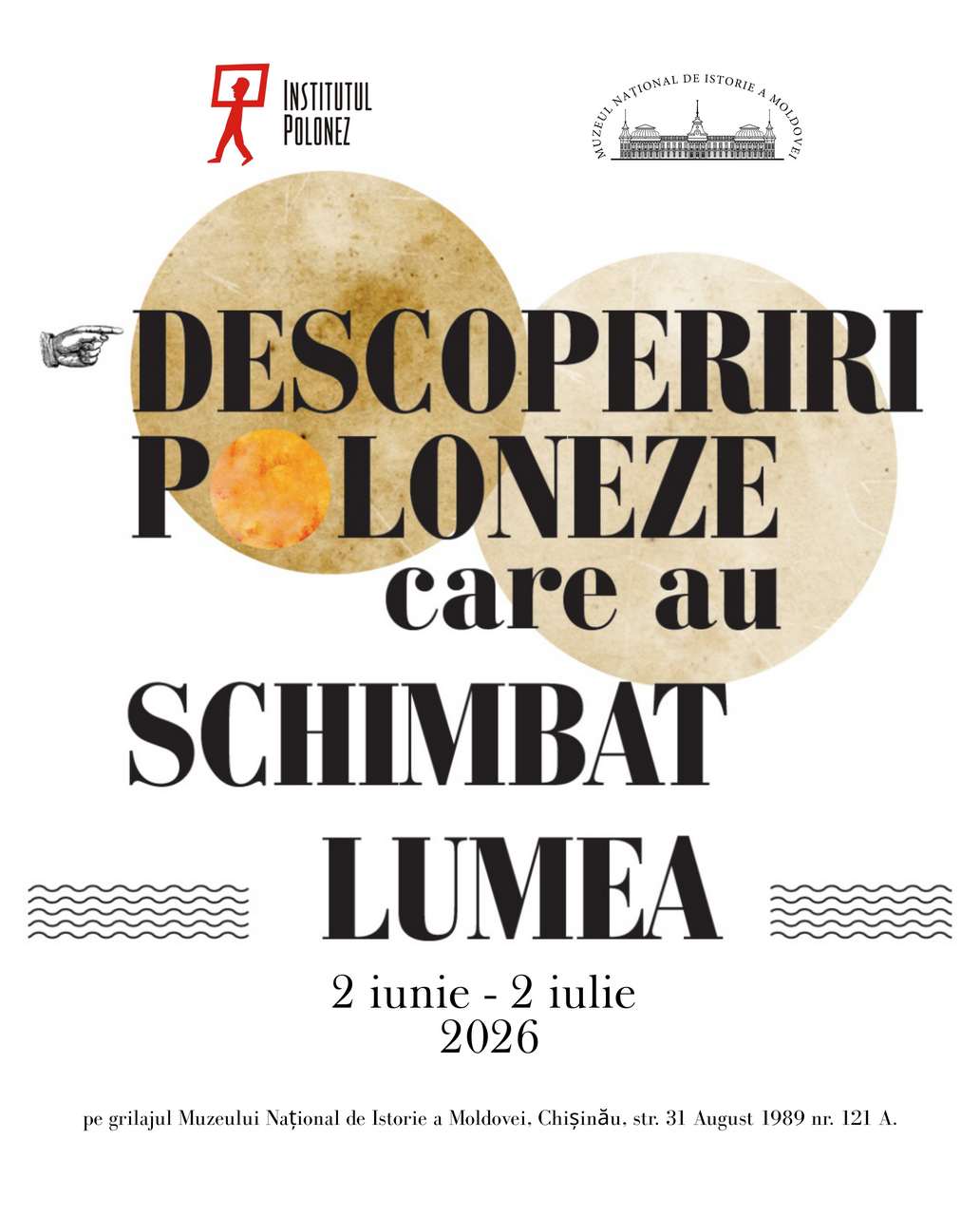
The National Museum of History of Moldova takes place among the most significant museum institutions of the Republic of Moldova, in terms of both its collection and scientific reputation.
The National Museum of History of Moldova takes place among the most significant museum institutions of the Republic of Moldova, in terms of both its collection and scientific reputation.
The National Museum of History of Moldova takes place among the most significant museum institutions of the Republic of Moldova, in terms of both its collection and scientific reputation.




































 31 August 1989 St., 121 A, MD 2012, Chisinau, Republic of Moldova