EN RO


#Exhibit of the Month

>>>

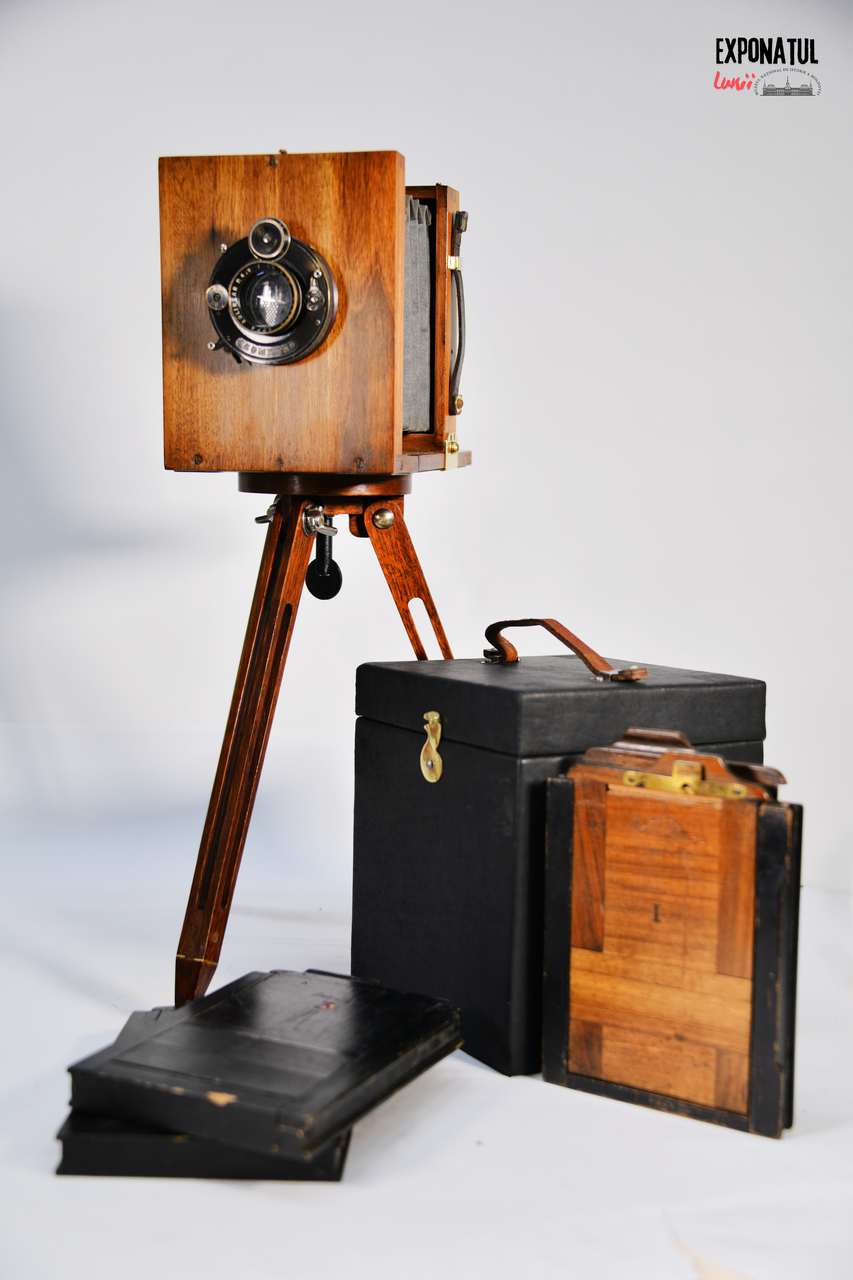
The main parts of the camera include the body, bellows, lens, and viewfinder system. The body consists of two lacquered walnut wood frames, joined by a folding black textile bellows that allows the necessary extension for focusing. On the front panel is the Agfa anastigmat lens, mounted in a Compur-type shutter produced by F. Deckel in Munich. It features a foldable "brilliant" viewfinder for both portrait and landscape orientation. It uses glass photographic plates coated with a photographic emulsion, mounted in walnut wood holders, with a frame size of 9x12 cm.
The walnut wood model, considered the flagship "Agfa Isolar Luxus," was designed by the A.H. Rietzschel factory in Munich, acquired by AGFA in 1925, which continued producing this type of camera under its own name until the late 1920s.
The piece was restored by Mihail Culașco, Restoration Department of NMHM.
Brief History of the Camera
The history of the camera spans 200 years, evolving from the camera obscura to today's digital devices. Key milestones include: the first permanent photograph in 1826 by French physicist Joseph Nicéphore Niépce, using a wooden box and a plate coated with bitumen of Judea; the invention of the first photographic process - daguerreotype - in 1839 by Frenchman Louis Daguerre, marking the official birth of photography; the invention of calotype, based on the negative/positive principle, by British physicist and chemist Fox Talbot; the invention of wet collodion plates by Englishman Frederick Scott Archer and dry glass plates by Richard Leach Maddox and John Huds Bennet; the introduction of flexible roll film and the launch of the first Kodak camera by American inventor George Eastman; the release of the first 35 mm film camera by German company "Leica"; the launch of the first instant camera "Polaroid," invented by American Edwin Land. Finally, starting in 1975, this path led to the digital photography revolution. Each successive step made cameras smaller and faster, significantly improving image quality.
The first photographic studio in Chișinău was opened in 1854 by Eduard Glewski, and before World War I, there were already about 100 photography studios in Bessarabia.
The collection of the National Museum of History of Moldova includes over 30 cameras, made in Austria, Germany, France, USSR, Japan, and China, dating from the late 19th century to the 2000s. Among them are folding bellows cameras, BOX-type cameras, single-lens reflex (SLR) and twin-lens reflex (TLR) cameras, as well as digital (DSLR) cameras.

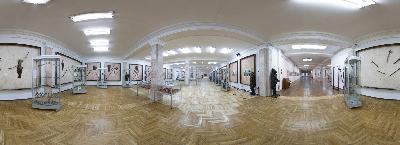
Virtual Tour


Events Archive


Book Launch: „Hansca: the medieval settlement in the Lăpușna Woods”, authors: Gheorghe POSTICĂ, Ion HÎNCU, / "Ion Creangă" State Pedagogical University of Chișinău; National Museum of Bukovina, Suceava. - Suceava: Ed. Karl A. Romstorfer

23 April 2026

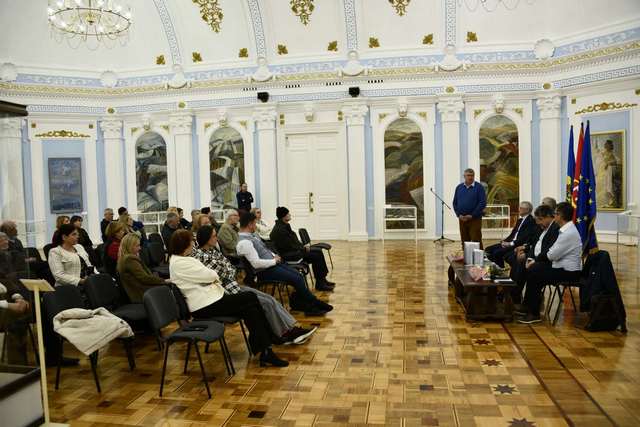
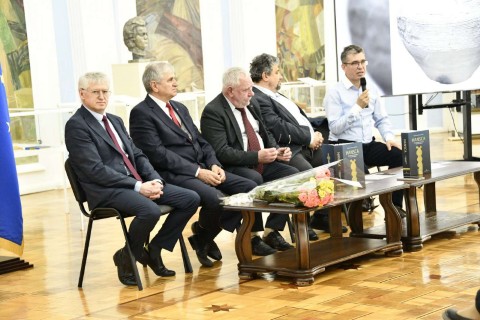
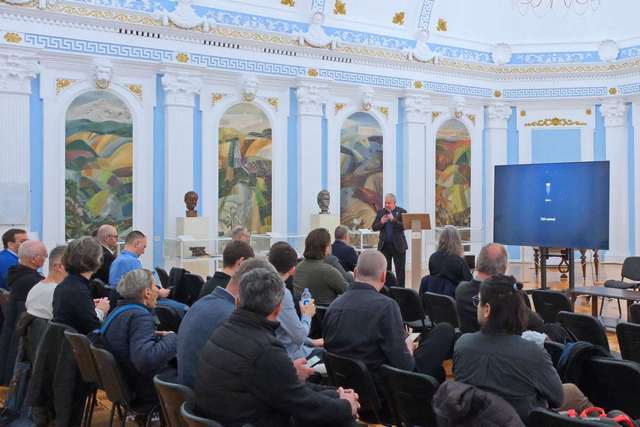
On April 23, 2026, in the Blue Hall, the National Museum of History of Moldova hosted the book launch: „Hansca: the medieval settlement in the Lăpușna Woods", authors: Gheorghe POSTICĂ, Ion HÎNCU, / "Ion Creangă" State Pedagogical University of Chișinău; National Museum of Bukovina, Suceava. - Suceava: Ed. Karl A. Romstorfer, 2025, 857 p.: ill. tab., Coord.: Sergiu Musteață, Constantin-Emil Ursu, - ISBN 978-630-6701-02-5.


Details>>

International Day of Monuments and Sites 2026

18 April 2026

Under the theme "Emergency Response for Living Heritage in Contexts of Conflict and Disaster," the National Museum of History of Moldova marked International Day of Monuments and Sites (18 April) through a series of events designed to educate, promote, and protect our collective memory.

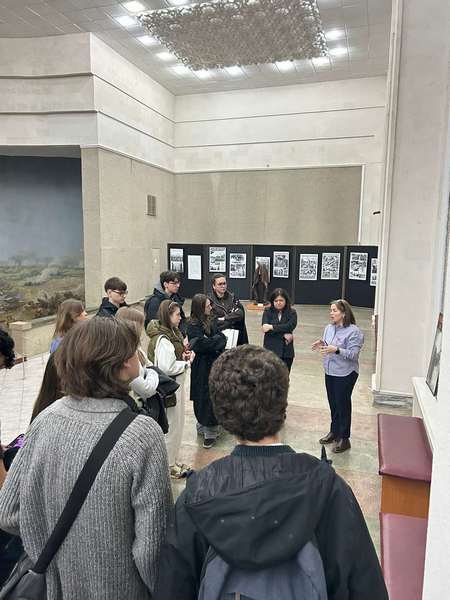
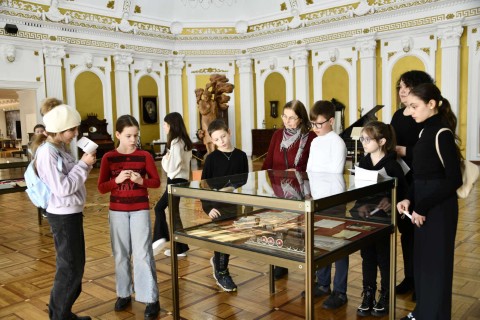
The series began on 8 April with a thematic lesson dedicated to students from the "Litterarum" Lyceum. Adriana Mocan, senior specialist, delivered a public lesson in which the young participants studied four historic manor houses: Manuc Bey, Pommer, Balioz, and Vila-Mândâc.

Details>>

National flashmob "A light and a loaf of bread" dedicated to the memory of the victims of the famine of 1946-1947 in the Moldavian SSR

18 April 2026

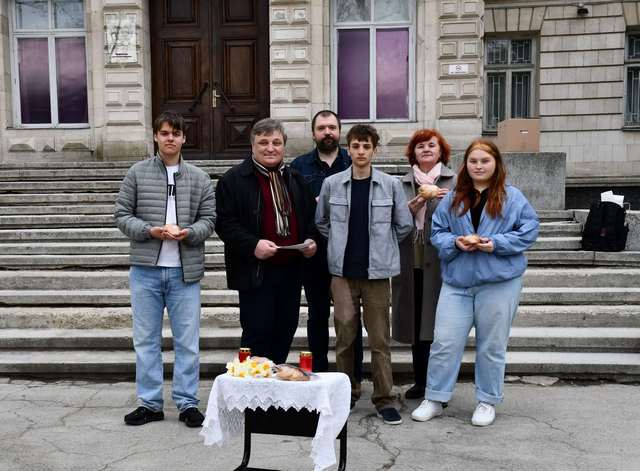
On April 18, 2026, a national flashmob with the title "A light and a loaf of bread" took place in the courtyard of the National Museum of History of Moldova, a commemorative action dedicated to the victims of the famine of 1946-1947 in the Moldavian SSR. The event was organized by the Association of Former Deportees and Political Prisoners of Moldova in cooperation with the National Museum of History of Moldova, the Metropolitanate of Bessarabia and the Exarchate of the Plains, the Diocese of Southern Bessarabia, the Diocese of Balti, the City Hall of Cahul, the Mieroszewski Center (Poland) and the Hanns Seidel Foundation (Republic of Moldova).


Details>>

Artistic Activity: "The Bridge of Friendship Between Music and Color"

8 April 2026

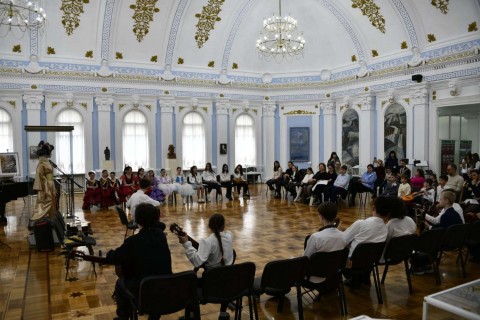
On April 8, 2026, the National Museum of History of Moldova hosted the artistic event titled "The Bridge of Friendship Between Music and Color," organized by coordinators Svetlana Sergheeva and Lucia Bobeică.

The concert featured performances by students from the "Eugen Doga" Music School in Chișinău. Additionally, students from the "A. Șciusev" Children's Fine Arts School in Chișinău contributed to the event with an exhibition of paintings and sculptures.
Details>>

Opening of the exhibition "The Famine of 1946–1947. History and Memory in Gagauzia"
7 April 2026

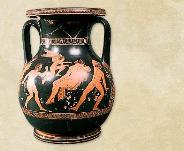
On April 7, 2026, the National Museum of History of Moldova hosted the opening of the photo-documentary exhibition "The Famine of 1946-1947. History and Memory in Gagauzia", dedicated to one of the most tragic pages in the history of the totalitarian-communist regime. The exhibition approach brought to the attention of the larger public documents, photographs, testimonies regarding the causes and consequences of the famine of 1946-1947 in the south of the Moldavian Soviet Socialist Republic, contributing to a better understanding of this scourge in Gagauz communities.


Details>>

Opening of the Painting and Graphics Exhibition "Queen Marie and Chisinau"

27 March 2026

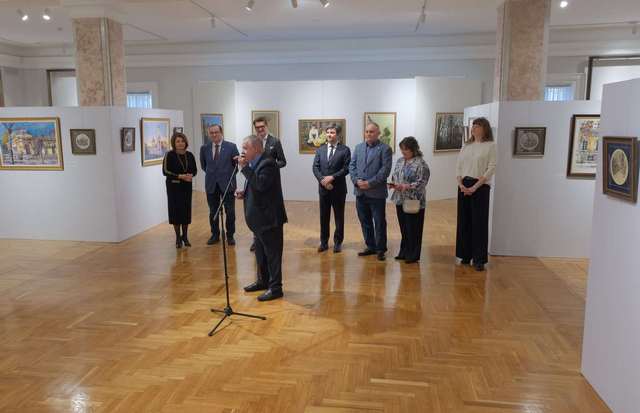
On March 27, 2026, the National Museum of History of Moldova, in partnership with the "Mihai Eminescu" Romanian Cultural Institute in Chisinau, hosted the opening of the painting and graphics exhibition "Queen Marie and Chisinau," featuring the works of artists Antonina and Vitalie Grișciuc.

The event was opened with a welcoming address by Dr. Hab. Eugen Sava, Director General of the National Museum of History of Moldova

Details>>

International Conference: "The Late Iron Age between the Baltic and the Black Sea"

21 March 2026

Between March 19 and 21, 2026, the National Museum of History of Moldova hosted the international archaeology conference "The Late Iron Age between the Baltic and the Black Sea." The event was organized through a partnership between the "Ion Creangă" State Pedagogical University of Chișinău (UPSC), Freie Universität Berlin (FU Berlin), and the National Museum of History of Moldova.

The conference marked the final phase of the Moldovan-German interdisciplinary research project funded by the Deutsche Forschungsgemeinschaft (DFG, grant ME 1253/12-1, 2021-2026). This project was carried out by UPSC under the coordination of Dr. Octavian Munteanu, in partnership with FU Berlin under the coordination of Prof. Dr. Michael Meyer

Details>>

Closing Ceremony of the Anniversary Exhibition: "35 Years of Good Deeds Together. The Margareta of Romania Royal Foundation in Images"

18 March 2026

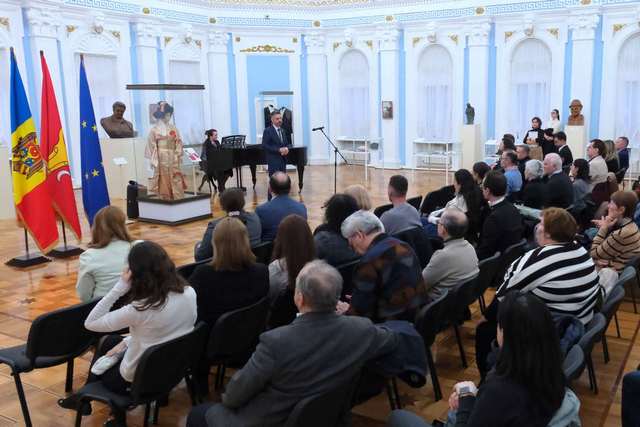
On March 18, 2026, the Blue Hall of the National Museum of History of Moldova hosted the closing ceremony of the anniversary exhibition "35 Years of Good Deeds Together. The Margareta of Romania Royal Foundation in Images." Open to the public from February 18 to March 18, 2026, the exhibition was organized by the Margareta of Romania Royal Foundation, at the initiative of the Embassy of the Republic of Moldova in Romania, in partnership with the National Museum of History of Moldova (NMHM)

Details>>

Visit of the Greek Delegation to the National Museum of History of Moldova

16 March 2026

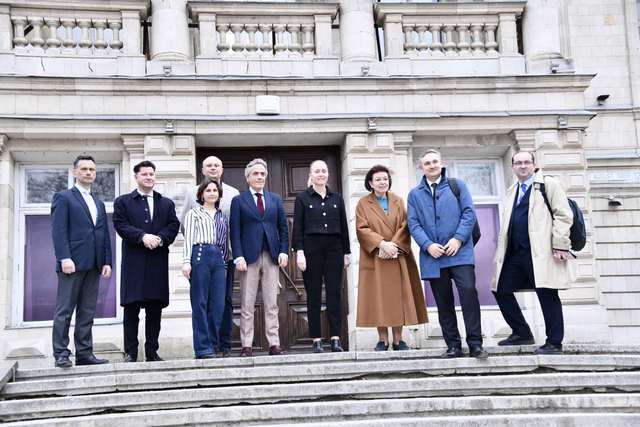
On 16 March 2026, the National Museum of History of Moldova hosted the visit to the Republic of Moldova of the delegation led by Lina Mendoni, Minister of Culture of the Hellenic Republic.

The delegation, accompanied by H.E. Nikolaos Krikos, Ambassador of the Hellenic Republic to the Republic of Moldova, Cristian Jardan, Minister of Culture of the Republic of Moldova, and Corneliu Cirimpei, State Secretary of the Ministry of Culture, was welcomed by the deputy directors of the National Museum of History of Moldova, Livia Ermurachi, Alexandru Argint, and Olga Andranovici.


Details>>

Workshop “The Concept of the Valorization of National Memory: Poland’s Experience in the Context of the Republic of Moldova”

9 March 2026

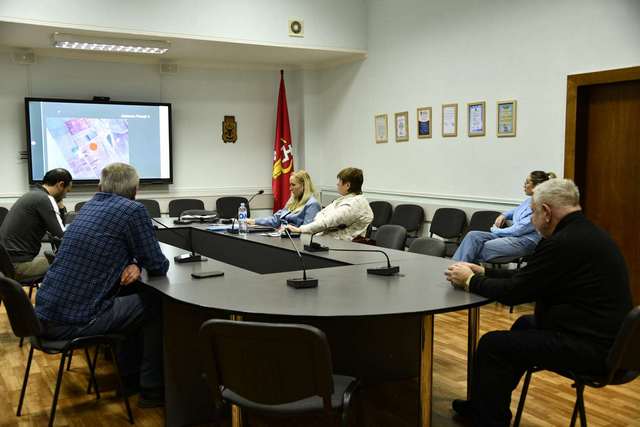
On 9 March 2026, the National Museum of History of Moldova hosted the visit to Chișinău of representatives of the Polish Presidency and the Institute of National Remembrance. On this occasion, the workshop "The Concept of the Valorization of National Memory: Poland's Experience in the Context of the Republic of Moldova" was organized, dedicated to the exchange of experience in the field of researching and documenting the past. Polish experts shared the experience accumulated over more than 26 years of activity, presenting the institutional model and the mechanisms through which the memory of the periods of oppression experienced by Poland is investigated and valorized.


Details>>

Launch of the work “Take the World into the World” by Mircea Cantor

5 March 2026

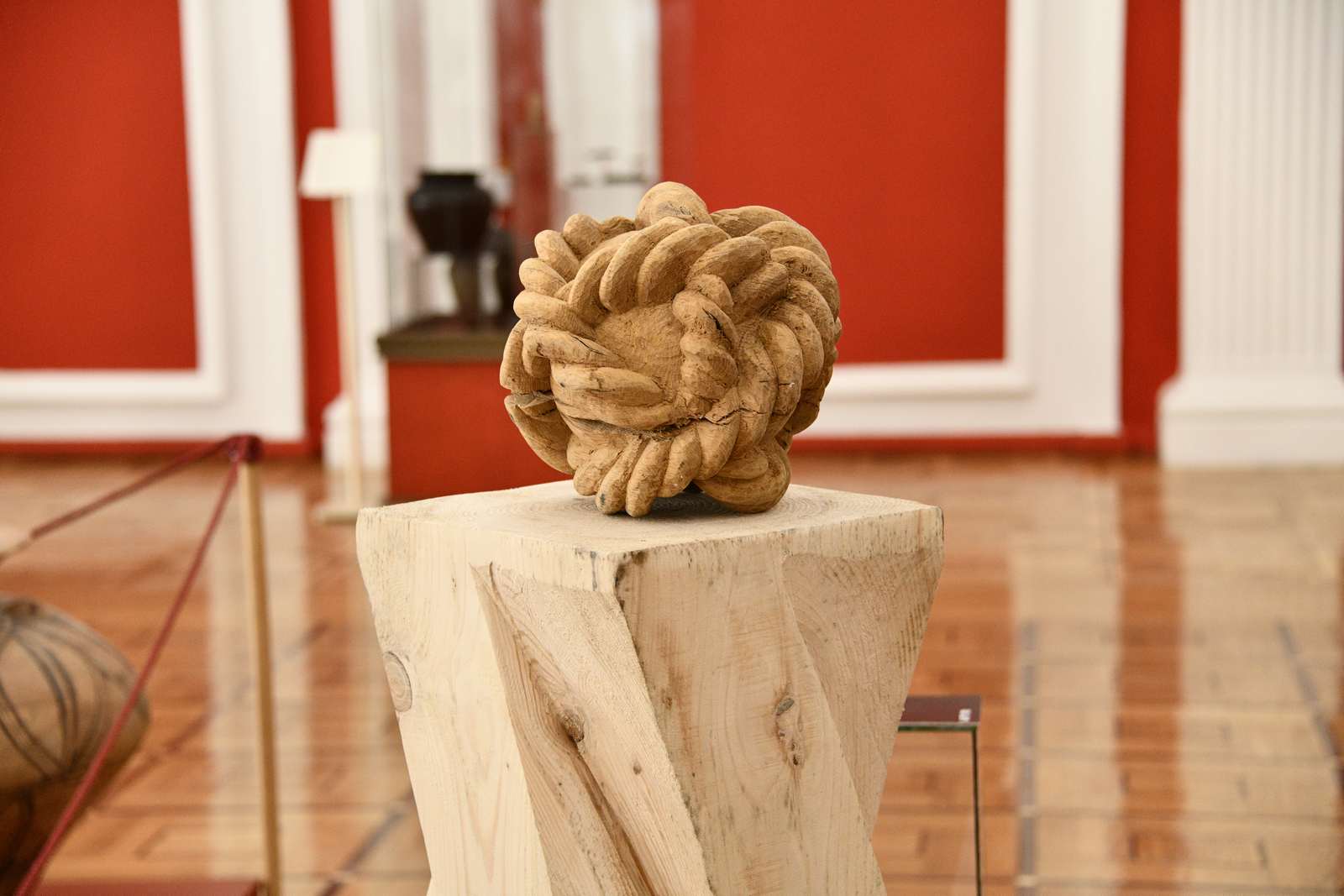
On 5 March 2026, the Red Hall of the Muzeul Național de Istorie a Moldovei - in partnership with Ateneul Național din Iași, Institutul Cultural Român "Mihai Eminescu" and Uniunea Artiștilor Plastici din Republica Moldova - hosted the presentation of the work "Take the World into the World," created by Mircea Cantor, in the presence of Cristian-Leon Țurcanu and representatives of cultural institutions from Romania and the Republic of Moldova.


Details>>

Thematic Lessons “War in Peacetime”

4 March 2026

On 3 and 4 March, the National Museum of History of Moldova hosted thematic lessons titled "War in Peacetime" as part of the Day of Memory and Gratitude, dedicated to commemorating the heroes who fell in the War on the Dniester in 1992. Together with students from the "Orizont" Theoretical High School, we discussed the War for the Defense of the Independence and Territorial Integrity of the Republic of Moldova.


Details>>

Symbols of Spring

28 February 2026

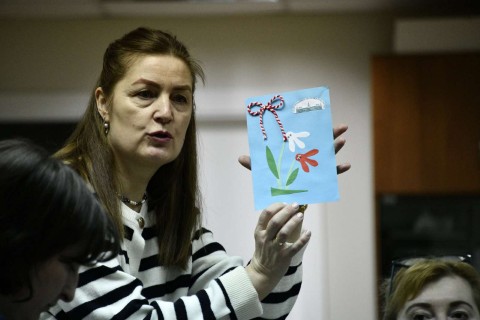
On Saturday, February 28, 2026, the National Museum of History of Moldova hosted an educational activity dedicated to the symbol of spring-the mărțișor. Through an interactive presentation, the participants discovered the origin and significance of the red-and-white string, the traditions associated with March 1st, and the evolution of this custom over time.

Organized by museum curators Galina Mirzac and Alina Parabina, the event welcomed students from the "I. Neciui-Levițchi" Theoretical High School in an accessible and friendly format.

Details>>

International Tourist Guide Day

21 February 2026

Every year on February 21, the National Museum of History of Moldova celebrates International Tourist Guide Day, which was first observed in 1990 at the initiative of the World Federation of Tourist Guide Associations (WFTGA). This day is an opportunity to express gratitude and appreciation to tourist guides worldwide, as well as to those working in museums.


Details>>

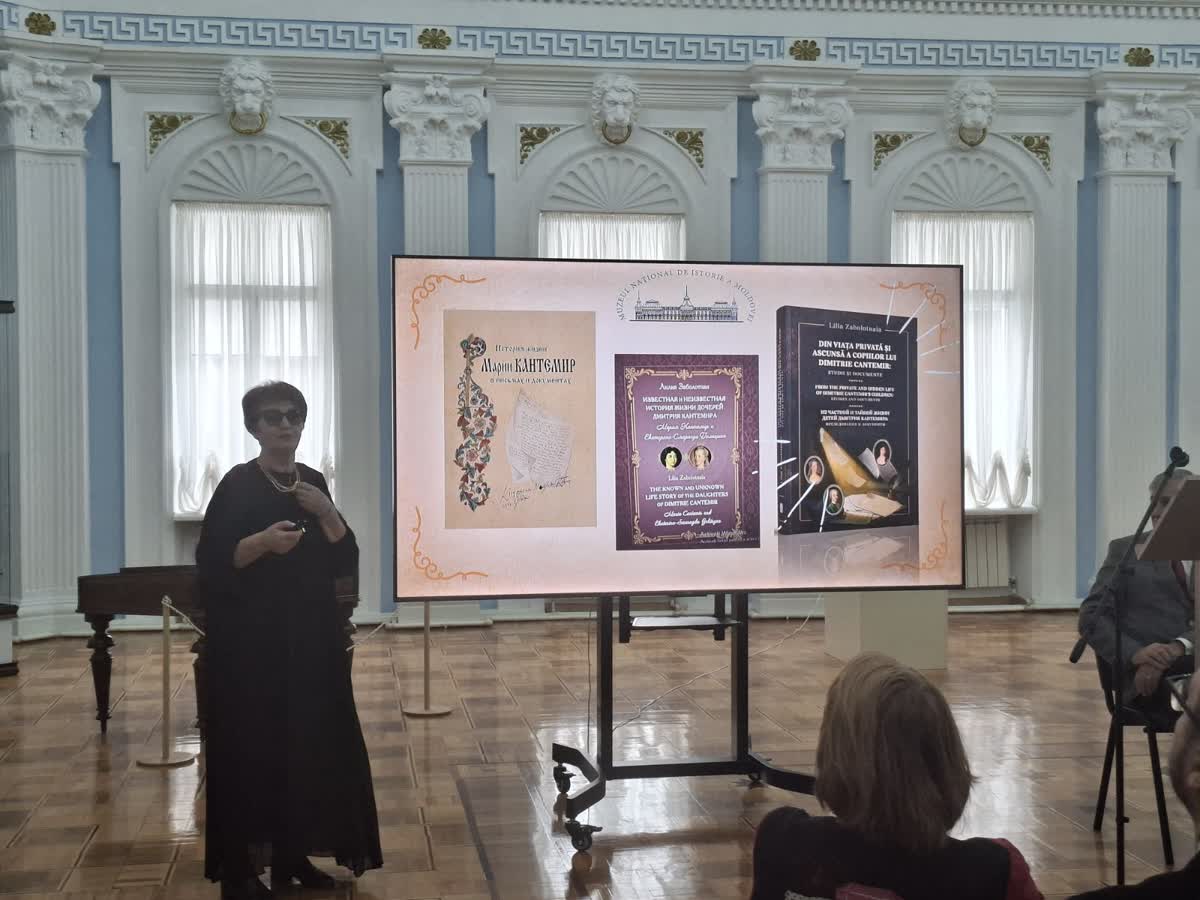
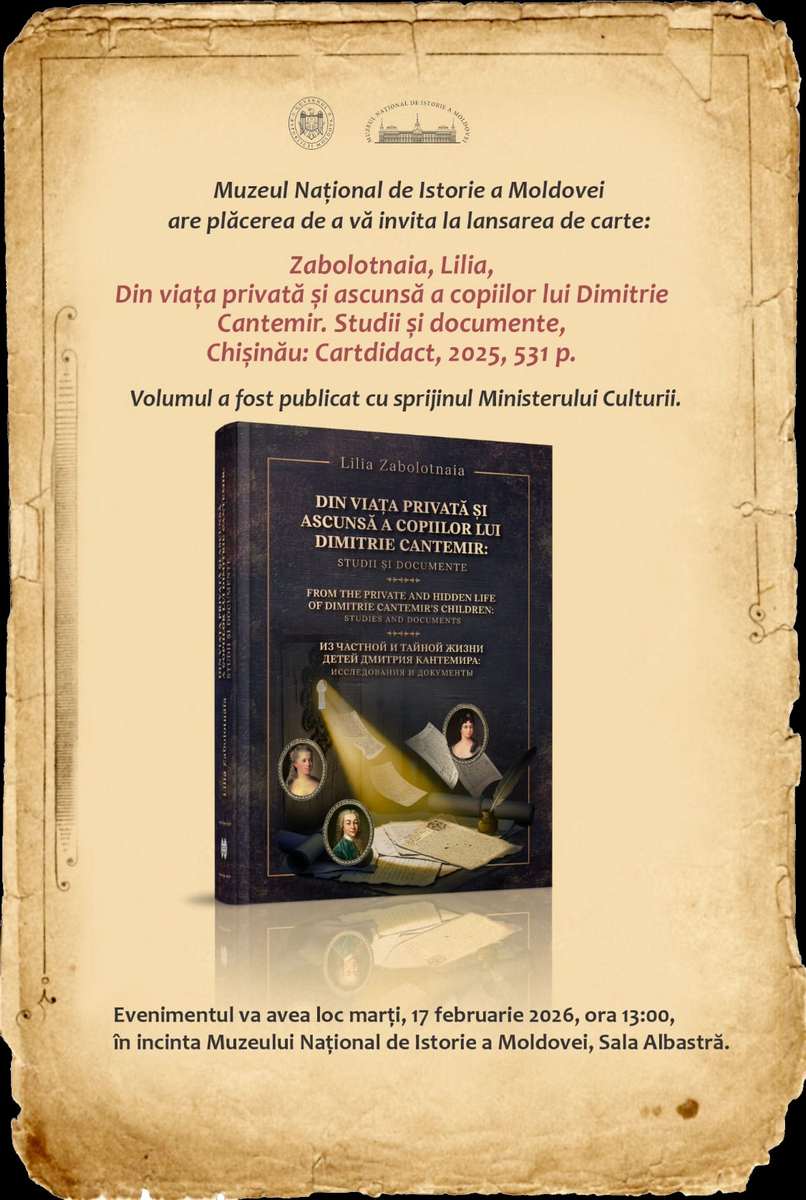
Book launch: Din viața privată și ascunsă a copiilor lui Dimitrie Cantemir: studii și documente / From the Private and Hidden Life of Dimitrie Cantemir’s Children: Studies and Documents / Из частной и тайной жизни детей Дмитрия Кантемира: исследования и документы — author: dr. hab. Lilia Zabolotnaia; publisher: Editura “Lexon Prim” (2025)

17 February 2026

On 17 February 2026 the launch of the volume took place at the Muzeul Național de Istorie a Moldovei. The work, presented in parallel texts in Romanian, English and Russian, offers researchers a rigorous and well-documented scholarly instrument with an extensive critical apparatus (bibliography and an index of names). The study and its publication were carried out within the national subprogram "Museum historical-archaeological heritage: systematization and scientific-cultural valorization (Code: 180101)," implemented by the museum.


Details>>

International scientific conference “Cultural Heritage of Yesterday — Implications for the Development of the Society of Tomorrow”, 13th edition

11 February 2026

On 11 February 2026, in the context of the International Day of Women and Girls in Science, Section VI of the international conference "Cultural Heritage of Yesterday - Implications for the Development of the Society of Tomorrow" (13th edition) took place. The conference was organized by Academia de Științe a Moldovei in partnership with Muzeul Național de Istorie a Moldovei, Centrul Mitropolitan de Cercetări Științifice TABOR, Institutul de Etnologie al Academiei Naționale de Științe a Ucrainei and Universitatea Liberă din Berlin.


Details>>

The culture of memory and cultural heritage in the post-totalitarian society presented at the international scientific conference “Yesterday’s cultural heritage – implications for the development of tomorrow’s society”

11 February 2026

On February 11, 2026, the National Museum of History of Moldova participated in the opening of the international scientific conference "Yesterday's cultural heritage - implications for the development of tomorrow's society", Iași-Chișinău-Bucharest-Lviv. The event is organized by the Academy of Sciences of Moldova in the context of the International Day of Women and Girls in Science, in cooperation with the National Museum of History of Moldova, the Metropolitan Center for Scientific Research TABOR, the Institute of Ethnology of the National Academy of Sciences of Ukraine, the Free University of Berlin.


Details>>

International Holocaust Remembrance Day 2026

26 January 2026

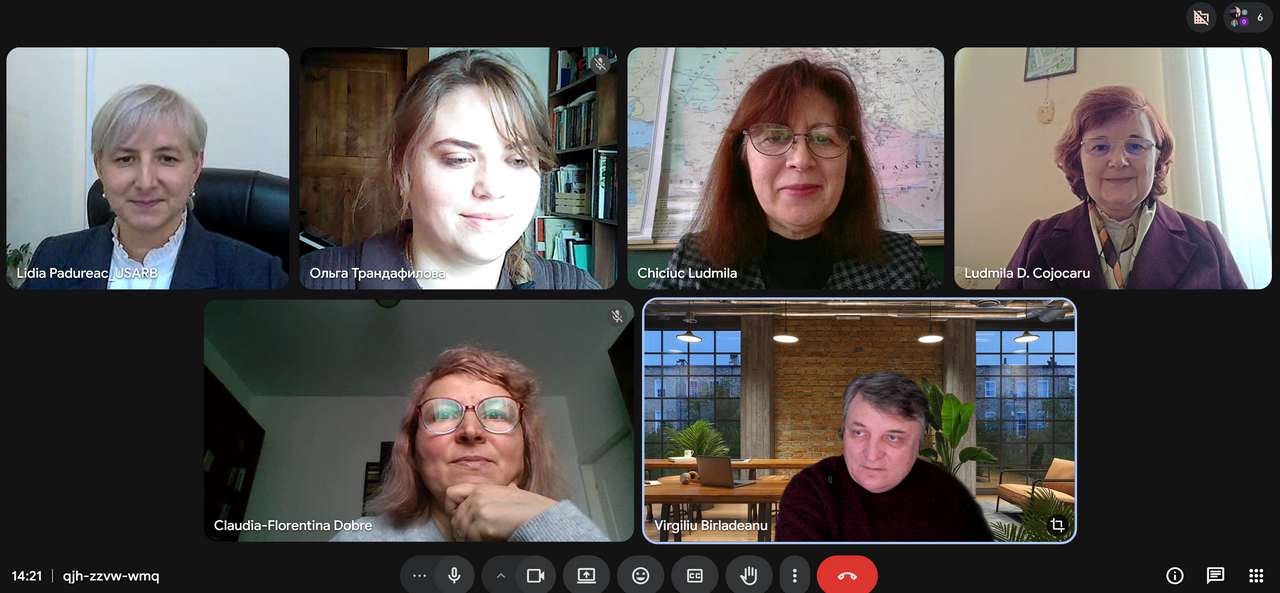
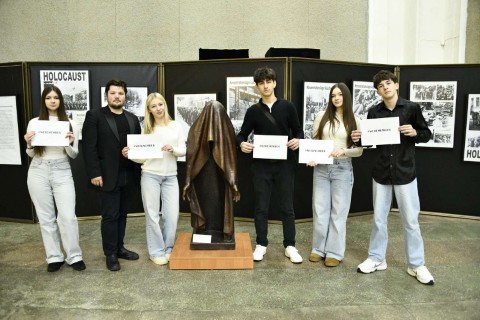
On January 27, the National Museum of History of Moldova commemorates the victims of the Holocaust. This year marks 85 years since the beginning of the Holocaust in Bessarabia and the establishment of the Chișinău Ghetto.

This day serves both as a moment of commemoration and a call to reflect on the role of education in preventing hate, extremism, and the distortion of memory.


Details>>

Launch of the Ceramic Route

16 January 2026

On 16 January 2026, in the Blue Hall, the National Museum of History of Moldova (MNIM), in partnership with the National Office of Tourism of the Republic of Moldova, hosted the launch of the Ceramic Route - an approximately 635 km cultural itinerary organized by the National Office of Tourism in partnership with the Ministry of Culture of the Republic of Moldova

Details>>

<< 1 2 3 4 5 6 7 8 9 10 11 12 13 14 15 16 17 18 19 20 21 22 23 24 25 26 27 28 29 30 31 >>


Independent Moldova
Moldavian Soviet Socialist Republic
Bessarabia and MASSR between the Two World Wars
Bessarabia and Moldavian Autonomous Soviet Socialist Republic in the Period between the Two World Wars
Revival of National Movement
Time of Reforms and their Consequences
Abolition of Autonomy. Bessarabia – a New Tsarist Colony
Period of Relative Autonomy of Bessarabia within the Russian Empire
Phanariot Regime
Golden Age of the Romanian Culture
Struggle for Maintaining of Independence of Moldova
Formation of Independent Medieval State of Moldova
Era of the
Great Nomad Migrations
Early Middle Ages
Iron Age and Antiquity
Bronze Age
Aeneolithic Age
Neolithic Age
Palaeolithic Age


Come to Museum! Discover the History!
  
Visit museum
Visit museum
Summer schedule: daily
10am – 6pm.

Winter schedule: daily
10am – 5pm.
Closed on Mondays.
Entrance fees:  adults - 50 MDL, Pensioners, students - 20 lei, pupils - 10 MDL. Free access: enlisted men (...)

WiFi Free Wi-Fi Zone in the museum: In the courtyard of the National History Museum of Moldova there is Wi-Fi Internet access for visitors.


#Exhibit of the Month

The main parts of the camera include the body, bellows, lens, and viewfinder system. The body consists of two lacquered walnut wood frames, joined by a folding black textile bellows that allows the necessary extension for focusing...

Read More >>


The National Museum of History of Moldova takes place among the most significant museum institutions of the Republic of Moldova, in terms of both its collection and scientific reputation.
©2006-2026 National Museum of History of Moldova
Visit museum 31 August 1989 St., 121 A, MD 2012, Chisinau, Republic of Moldova
Phones:
Secretariat: +373 (22) 24-43-25
Department of Public Relations and Museum Education: +373 (22) 24-04-26
Fax: +373 (22) 24-43-69
E-mail: office@nationalmuseum.md
Technical Support: info@nationalmuseum.md
Web site administration and maintenance: Andrei EMILCIUC


The National Museum of History of Moldova takes place among the most significant museum institutions of the Republic of Moldova, in terms of both its collection and scientific reputation.
©2006-2026 National Museum of History of Moldova
Visit museum 31 August 1989 St., 121 A, MD 2012, Chisinau, Republic of Moldova
Phones:
Secretariat: +373 (22) 24-43-25
Department of Public Relations and Museum Education: +373 (22) 24-04-26
Fax: +373 (22) 24-43-69
E-mail: office@nationalmuseum.md
Technical Support: info@nationalmuseum.md
Web site administration and maintenance: Andrei EMILCIUC

menu
The National Museum of History of Moldova takes place among the most significant museum institutions of the Republic of Moldova, in terms of both its collection and scientific reputation.
©2006-2026 National Museum of History of Moldova
Visit museum 31 August 1989 St., 121 A, MD 2012, Chisinau, Republic of Moldova
Phones:
Secretariat: +373 (22) 24-43-25
Department of Public Relations and Museum Education: +373 (22) 24-04-26
Fax: +373 (22) 24-43-69
E-mail: office@nationalmuseum.md
Technical Support: info@nationalmuseum.md
Web site administration and maintenance: Andrei EMILCIUC